- Vehicles
- Small & Midsize Rental Cars in Iceland
- Family Rental Cars in Iceland
- Rent electric car in iceland
- 4x4 Car Rental in Iceland
- Suzuki Jimny 4x4
- Dacia Duster 4x4
- Suzuki Vitara 4x4
- Suzuki Vitara auto 4x4
- Dacia Bigster 4x4
- Kia Sportage 4x4 Auto
- Kia Sportage PHEV 4x4 auto
- Mitsubishi Outlander PHEV 4x4 auto
- Toyota Rav4 4x4 auto
- Kia Sorento 4x4 auto
- Mercedes Benz 350 GLE PHEV 4x4 auto
- Toyota Landcruiser 150 4x4 auto
- Toyota Landcruiser 250 4x4 auto
- Landrover Discovery 5 4x4 auto
- Landrover Defender 4x4 auto
- Prestige
- Rent a Minivan in Iceland
- 4x4 Camper
- Motorhomes
- Driving in Iceland
- Services
- Locations
- Travel Inspiration
- South Iceland: A complete guide
- Reynisfjara Beach in Iceland - Your Guide to a Safe Visit
- Best Times to Visit the Golden Circle in Iceland
- North Iceland: A Complete Guide for Drivers
- East Iceland A Complete Guide for Drivers
- West Iceland The Complete Driver’s Guide
- Your Ultimate Guide to Exploring Iceland’s Ring Road
- Driving the Diamond Circle in Iceland: Your Ultimate Guide
- Driving Iceland's Golden Circle: Your Ultimate Guide
- A 10-Day Itinerary in Iceland: Tips + Ideas
- The Perfect Itinerary for 7 Days in Iceland
- The Best Time to See the Northern Lights in Iceland with a Rental Car
- Renting a Camper in Iceland: The Complete Guide
- Getting to Iceland: A Comprehensive Guide on How to Reach the Land of Fire and Ice
- Nature Bath Locations in Iceland: A Complete Guide
- Iceland with Kids: A 5-Day Self-Drive Itinerary
- Winter Driving in Iceland: A Comprehensive Overview for Foreign Tourists
- The Total Solar Eclipse in Iceland – August 12, 2026
- Exploring Iceland's National Parks on a Self-Drive Adventure
- Exploring Iceland's Wonders: A Comprehensive Guide to Activities and Car Rentals
- Springtime in Iceland – Your Comprehensive Travel Guide
- Exploring Iceland's Most Popular Highland Routes
- The Pearls of Westfjords: The Ultimate Guide
- Exploring Iceland's Hidden Gems | Off-the-Beaten-Path Adventures
- Driving in Iceland in June: Tips for a Safe and Scenic Summer Road Trip
- Driving in Iceland in July: Tips, Routes & Rentals
- Driving in Iceland in August: Late-Summer Freedom on the Open Road
- Guide to Skaftafell Iceland Self-Drive A Journey Through Fire and Ice
- Eco-Friendly Road Trips in Iceland, Sustainable Travel Tips
- Photographer’s Paradise Top Scenic Drives in Iceland for Stunning Shots
- Iceland's Folklore and Legends A Road Trip Through Mythical Sites
- Iceland’s Midnight Sun and How to Make the Most of 24-Hour Daylight
- Exploring Iceland’s Viking Heritage: Top Historical Sites
- Chasing Waterfalls: A Road Trip to Iceland’s Most Spectacular Cascades
- Iceland's Volcanic Wonders: A Self-Drive Tour of Active and Dormant Volcanoes
- Tee Off in the Land of Fire and Ice: A Guide to Golfing in Iceland
- Birdwatching in Iceland: Puffins and Beyond
- Iceland’s Diverse Beaches: Beyond the Black Sands
- Icelandic Horses: The Unique Breed of the North
- Beyond the Ring Road: Iceland’s Hidden Scenic Drives
- Iceland’s Ice Caves: A Year-Round Adventure
- Wildlife Watching in Iceland: Where and When to Go
- Iceland’s Hidden Hot Springs: A Self-Drive Guide to Secret Soaks
- Navigating Iceland’s Weather: What to Expect Each Season
- Tröllaskagi Peninsula: Iceland’s Mountainous Marvel — A Scenic Road Trip with Höldur
- Mastering Iceland's Roundabouts: A Driver’s Guide
- Essential Tips for Renting a Car in Iceland
- Navigating Iceland’s One-Lane Bridges: Your Guide to Safe and Scenic Crossings
- Exploring Iceland’s Film Locations by Rental Car
- 5 Must-Visit Destinations Within Two Hours of Keflavík Airport
- Seasonal Car Rental Tips for Iceland’s Summer Festivals
- Understanding Iceland's F-Roads: How to Drive Safely Into the Highlands
- What Makes Iceland Unique: Top 15 Highlights for an Unforgettable Journey
- Driving and Hiking in Harmony: Explore Iceland's Natural Wonders with Höldur Car Rental
- Best Car to Rent in Iceland?
- Avoiding Common Car Rental Mistakes in Iceland
- Making Your Car Rental in Iceland Child-Friendly: Tips for Stress-Free Family Travel
- Exploring Akureyri, Iceland’s Northern Gem, with EasyJet and Europcar
- Renting a Manual or Automatic Car in Iceland
- Discover the Arctic Coast Way in Iceland with Höldur Car Rental
- How to Save on Fuel Costs During Your Iceland Road Trip
- Electric vs. 4x4 Rentals in Iceland: Which is Right for Your Trip?
- Top Scenic Detours Off Iceland's Ring Road
- Top Safety Tips for First-Time Drivers on Iceland’s Roads
- Cultural Pit Stops Along Iceland’s Ring Road
- Your Guide to Exploring Stuðlagil Canyon by Car: Iceland’s Basalt Beauty Awaits
- Day Trip Ideas From Reykjavik by Rental Car
- Visit Glymur Waterfall: The Ultimate Self-Drive Adventure from Reykjavík
- Discover the Volcanic Wonders of Lake Mývatn by Car
- Discovering the Magic of Snæfellsnes Peninsula by Car
- Your Self‑Drive Guide to Gullfoss Waterfall
- A Guide to Seljalandsfoss Waterfall in Iceland: Explore by Car
- Exploring Reykjanes Peninsula A Self Drive Guide
- Exploring Iceland Landmannalaugar by 4x4
- A Beginner's Guide to River Crossings in Iceland
- Best Car Rental Offers for Iceland’s Summer Adventures
- Your Self‑Drive Guide to Þingvellir National Park
- Your Ultimate Guide to Geysir, Iceland: All You Need to Know
- How to Pay for the Vaðlaheiðargöng Tunnel
- Your Guide to Visiting Jökulsárlón Glacier Lagoon
- The Diamond Beach in Iceland: A Sparkling Wonder Worth Visiting
- Parking fines in Iceland: how to pay and what to do if you receive one
- Where to find overnight parking in Reykjavík: a local’s guide for travellers
- How to park for free in Reykjavík: tips to save on your Iceland trip
- How to pay for parking in Reykjavík - A friendly guide for drivers in Iceland
- Game of Thrones Filming Locations in Iceland: A Self-Drive Guide
- How to Choose the Right Car Rental at Keflavík Airport
- Flying Within Iceland: Your Guide to Domestic Routes and Regional Airports
- Top 3 Must-See Attractions on Iceland's Golden Circle
- Hidden Gems Along the Golden Circle Route
- Your Essential Guide to Iceland: Currency, Culture, and Car Rental Tips
- How to Plan the Perfect Golden Circle Self-Drive Tour
- The Comprehensive Guide to Rental Car Sizes at Keflavik Airport
- Húsafell & Hallmundarhraun: Hidden Lava Field Adventures by Car
- Iceland Weather by Month: What to Expect and How to Drive Safely with Holdur Car Rental
- A Guide to Iceland’s Quirky Roadside Attractions
- Exploring Iceland’s Lava Tubes | Self-Drive Cave Adventures with Höldur Car Rental
- Coolcation in Iceland: Self-Drive Your Summer Escape to the North
- Driving Iceland’s Coastal Roads: A Guide to Lesser-Known Peninsulas
- Top Tips for Driving in Iceland Safely Year-Round
- The Best Rest Stops and Viewpoints Along Iceland's Ring Road
- Driving in Iceland in September: Embrace the Autumn Adventure
- Your Guide to Exploring Fjaðrárgljúfur – South Iceland’s Fairytale Canyon
- Explore Reykholt on a Self-Drive Tour in Iceland
- How to Choose the Right Insurance for Your Iceland Car Rental
- Hiking Múlagljúfur Canyon: Iceland’s Hidden Gem You Can’t Miss
- Understanding Iceland's Weather and How It Affects Driving Conditions
- Dyrhólaey: A Complete Self-Drive Guide to Iceland's Breathtaking South Coast
- Where to See Iceland’s Tectonic Plates Up Close
- Scenic Journey on Kjalvegur Road 35 Reykjavik to Akureyri
- Guide to Visiting Svartifoss with a Rental Car
- Kerið Crater Lake in Iceland: A Self-Drive Guide
- Your Complete Guide to Stokksnes, Iceland with a Rental Car
- Hengifoss Waterfall in Iceland: The Ultimate Self-Drive Guide
- Your Complete Guide to Visiting Skógafoss Waterfall with a Rental Car
- Into the Heart of Þórsmörk: Iceland’s Valley of Thunder
- Dynjandi Waterfall in Iceland: The Ultimate Self-Drive Guide
- Visiting Ásbyrgi Canyon in North Iceland by Car: A Complete Self-Drive Guide
- Driving in Iceland in October: Embrace the Autumn Transition
- Hraunfossar: Iceland’s Hidden Gem for Self-Drive Travellers
- Barnafoss Waterfall: Iceland’s Raging Cascade with a Legend
- Driving in Iceland in November: Your Complete Guide to a Spectacular Autumn Adventure
- Fishing in Iceland: All You Need to Know
- Öxarárfoss Waterfall in Iceland: A Self-Drive Guide with Höldur
- Life in Iceland: Essential Guide to Living in the Land of Fire and Ice
- People of Iceland - 12 Fun Facts About Icelanders
- Glaumbær Turf Houses: A Self-Drive Guide to Iceland’s Living History
- Húsavík: Whale Watching Capital of Iceland
- Svínafellsjökull Glacier: A Self-Drive Guide to Iceland’s Ice Giants
- Kirkjubæjarklaustur: A Historic South Coast Gem
- Vík í Mýrdal: South Iceland’s Coastal Treasure
- Namaskard: A Self-Drive Guide to Iceland’s Geothermal Wonderland
- Laufás Heritage Site: Where Iceland’s Past Lives On
- Navigating Iceland's Gravel Roads: Tips for a Safe and Smooth Drive
- Iceland's Best Stargazing Spots for Self-Drive Travellers
- Iceland's Best Picnic Spots: Scenic Stops for Self-Drive Adventures
- Top 5 Family-Friendly Hiking Trails Accessible by Rental Car
- 15 Tips for Travelling to Iceland
- How to Plan a Winter Photography Road Trip in Iceland
- Visiting Gljúfrabúi Waterfall — A Self-Drive Guide
- How to Spot Puffins in Iceland: A Self-Drive Adventure
- Your Essential Guide to Winter Tyres and Safe Driving in Iceland
- Iceland’s Most Active Volcanoes: A Self-Drive Guide
- Iceland’s Most Scenic Bridges and River Crossings: A Self-Drive Guide
- Iceland’s Most Instagrammable Spots for Self-Drive Travellers
- How Cold Is It in Iceland During Winter? A Self-Drive Guide
- Explore Dimmuborgir: A Self-Drive Guide to Iceland's Dark Castles
- The Ultimate Guide to Iceland’s Top 5 Waterfalls by Car
- Iceland’s Best Scenic Routes for Autumn Foliage: A Self-Drive Guide
- The Best Time to Visit Iceland for Self-Drive Travellers
- Self-Drive Adventures to Iceland’s Remote Lighthouses
- Selfoss Waterfall Self-Drive Guide: Explore Iceland Your Way
- All About the Icelandic Sheep
- Vestrahorn: A Self-Drive Guide to Iceland’s Stokksnes Peninsula
- Höfn, Iceland: The Lobster Town Self-Drive Guide
- Exploring Arnarstapi: A Self-Drive Guide
- A Guide to Iceland's Seasonal Foods for Your Road Trip
- Hverfjall Crater, Iceland: A Self-Drive Guide
- Self-Drive Guide to Visiting Askja
- A Self-Drive Guide to Visiting Kerlingarfjöll
- A Self-Drive Guide to Gunnuhver Geothermal Area
- Skriduklaustur, Iceland: A Self-Drive Guide to History & Culture
- Your Ultimate Guide to Visiting the Blue Lagoon in Iceland
- Borgarnes, Iceland: Top Things to Do & Self-Drive Guide
- A Guide to Glaciers in Iceland
- Car Rental Insurance in Iceland: What’s Usually Included, What’s Not & How to Choose
- Best Car Models for Iceland’s Terrain: Recommendations by Route
- Solo Traveller’s Guide to Self-Driving in Iceland
- Exploring Iceland’s Arctic Circle: What to See and Do
- How to Plan a Budget-Friendly Road Trip in Iceland
- The History of Iceland’s National Day: A Self-Drive Celebration
- Where to Spot Whales in Iceland: A Self-Drive Guide
- The Diamond Circle vs. The Golden Circle: Which Route is Right for You?
- Embracing a Greener Journey: Sustainability in Iceland
- Granni: A Self-Drive Guide to Iceland’s Neighboring Waterfall
- Háifoss: A Self-Drive Guide to Iceland’s Tallest Waterfall
- Iceland's Best Camping Spots for Road Trippers
- Gjáin: A Self-Drive Guide to Iceland’s Hidden Oasis
- Iceland's Hidden Waterfalls: Beyond the Tourist Trails
- Hjálparfoss: A Self-Drive Guide to Iceland’s Helping Falls
- Seasonal Self-Drive Itineraries in Iceland: What’s Open When?
- Kirkjufell: A Self-Drive Guide to Iceland’s Most Photographed Mountain
- Fjallabak Nature Reserve: A Self-Drive Guide to Iceland’s Rugged Highlands
- Hrafntinnusker: A Self-Drive and Hiking Guide to Iceland’s Obsidian Wilderness
- When to Visit Iceland: Northern Lights and Ice Caves vs. Hiking and Highland Adventures
- Visiting Laugarvatn Fontana Spa with a Rental Car: A Relaxing Icelandic Getaway
- Hvítserkur Rock: A Self-Drive Guide to Iceland’s Dragon of the North
- Skiing in Iceland: A Self-Drive Guide for Winter Adventurers
- Visiting the Mývatn Nature Baths by Car: A Self-Drive Guide
- Visiting Vök Baths in East Iceland: A Self-Drive Guide
- Visiting Skútustaðir Pseudo-Craters: A Self-Drive Guide
- Visiting Hljóðaklettar: A Self-Drive Guide on the Diamond Circle
- The Ultimate Guide to Exploring Reykjavik with a Rental Car
- Visiting Seljavallalaug: A Hidden Gem in South Iceland
- Guide to Sólheimajökull Glacier by Iceland Car Rental
- Eyjafjallajökull: Iceland’s Glacier Volcano
- Ísafjörður, Iceland: Your Ultimate Self-Drive Guide to the Westfjords
- What Continent is Iceland In? A Traveler's Guide
- Katla Volcano: A Guide to Iceland's Sleeping Giant
- The Magic of Icelandic Water: A Traveler's Guide
- A Guide to Exploring Akureyri by Rental Car
- A Self-Drive Guide to the Krafla Volcanic Region
- 12-Day Iceland Self-Drive: The Complete Itinerary
- Hekla Volcano: A Self-Drive Guide to Iceland's Gateway
- Visiting Deildartunguhver: A Self-Drive Guide to Europe’s Most Powerful Hot Spring
- Exploring Borgarfjörður: A Self-Drive Guide to West Iceland
- Exploring Stórurð: A Self-Drive and Hiking Guide to East Iceland
- Visiting the Forest Lagoon in North Iceland: A Self-Drive Guide
- Driving in Iceland in December: Embrace the Winter Wonderland
- Exploring Grábrók: A Self-Drive Guide to Iceland’s Volcanic Crater
- Exploring Látrabjarg: A Self-Drive Guide to Iceland’s Westernmost Point
- Iceland Car Hire Tips for UK Drivers: What You Need to Know
- 4-Day Iceland Winter Itinerary: The Best of the South
- Mount Mælifell: Iceland’s Emerald Volcano
- How Long to Drive Around Iceland? A Self-Drive Guide
- Driving in Iceland in January
- Exploring Djúpavík: A Self-Drive Guide to Iceland’s Remote Westfjords
- What to Wear in Iceland: Tips for Every Season
- Things to Do in Stykkishólmur: A Self-Drive Adventure Through Iceland’s Magical West
- The Secret Lagoon: Iceland’s Hidden Gem of Relaxation and Discovery
- The Silver Circle of Borgarfjörður: Your Ultimate Self-Drive Guide
- Snæfellsjökull: A Journey to Iceland’s Glacier of Legends
- Car Rental Iceland 4x4: Best 4WD Options for Your Trip
- What to See in Iceland: 20 Places You Don’t Want to Miss
- How to Prepare for an Iceland Road Trip
- Your Guide to Visiting Fagrifoss Waterfall by Car
- Exploring Stakkholtsgjá Canyon: A Self-Drive Adventure in Iceland
- Kolugljúfur Canyon: A Guide to Iceland's Hidden Gem
- Exploring Kvernufoss: A Hidden Gem in South Iceland
- Skógar Museum: A Journey Through Iceland's History
- 2 Days in Iceland: The Perfect Itinerary
- Exploring Berserkjahraun: A Self-Drive Guide to Iceland’s Lava Fields
- Driving in Iceland in February: Your Complete Guide
- Iceland Daylight Hours by Month: Planning Your Trip
- Petra’s Stone Collection: A Self-Drive Gem in East Iceland
- Iceland's New Kilometer-Based Road Tax: Everything You Need to Know
- Krýsuvíkurbjarg Cliffs: Self-Drive Guide to Iceland’s Wild Coast
- Brimketill: The Reykjanes Peninsula’s Natural Lava Pool
- Exploring Eldhraun Lava Field: A Self-Drive Guide to Iceland’s Volcanic Marvel
- Iceland 2026 Car Rental Guide
- Choosing the Best 4x4 for Iceland's Westfjords
- How Sagas and History Shape Iceland's Driving Routes
- Driving in Iceland After Dark: How to Plan Safe Evening & Night Drives
- What to Do When Roads Close in Iceland: A Traveller’s Plan B Guide
- Iceland With a 2WD Only: No‑Gravel, No F‑Road Itineraries
- Iceland Through the Windshield: Landscapes You’ll See Without Leaving the Car
- Iceland EV Road Trips Made Easy (2026 Guide)
- Iceland Speed Cameras & Fines: The 2026 Driver’s Guide for Visitors
- 24 Hours in Iceland (KEF Layover): Two Seasonal Micro-Itineraries by Car
- Self-Drive Iceland for First-Timers: A Realistic Day-by-Day Pace Guide
- The Complete Self-Drive Guide to Fjallsárlón Glacier Lagoon
- Route 60 Westfjords Road Trip: Dynjandi, Þingeyri & New Tunnels Explained
- Baldur Ferry With a Rental Car: Stykkishólmur ↔ Brjánslækur
- Iceland at Easter: 5‑Day Self‑Drive Itinerary from KEF
- Westman Islands by Rental Car + Ferry: Day Trip from the South Coast
- Reykjavík Northern Lights Pull-Outs: Safe Self-Drive Spots within 45 Minutes of the Capital
- Staying Connected: Best SIM Cards and Wi-Fi Options for Your Iceland Road Trip
- The "Gas & Go" Logistics Guide: How to Pay for Gas in Iceland Without Getting Stranded
- Iceland Wind Guide for Drivers
- Fjallsárlón vs Jökulsárlón: Which Glacier Lagoon to Visit by Car?
- Iceland Road Conditions by Region (What to Expect Beyond Weather)
- Iceland’s Best Scenic Loops
- Iceland for Everyone: Accessible Natural Wonders by Car
- Iceland’s Most Photogenic Churches: A Scenic Architectural Drive
- Driving in Iceland in March: Weather, Daylight & Safe Itineraries (2026)
- Go / No-Go: A Driver’s Playbook for Using Road.is, Veður & SafeTravel Before You Set Off
- How to Plan a 3-Day Self-Drive Adventure in Iceland’s Highlands
- Driving in Iceland in April: Weather, Daylight & Safe Itineraries
- One-Way Car Rental in Iceland: Keflavik to Akureyri
- The Arctic Henge & Langanes: Driving Northeast Iceland’s Remote Edge
- Driving in Iceland in May: Late-Spring Conditions, Puffins & Ring Road Plans
- Driving in Iceland in June: 2026 Update
- 2 Days on Iceland's South Coast: The Ideal Self-Drive Itinerary
- Iceland Road Trip Packing List by Season: What to Keep in Your Rental Car
- The Ultimate Iceland Road Trip Grocery Guide: Where to Shop and How to Save
Practical Travel Tips, Cultural Insights
How Sagas and History Shape Iceland's Driving Routes
16.01.2026
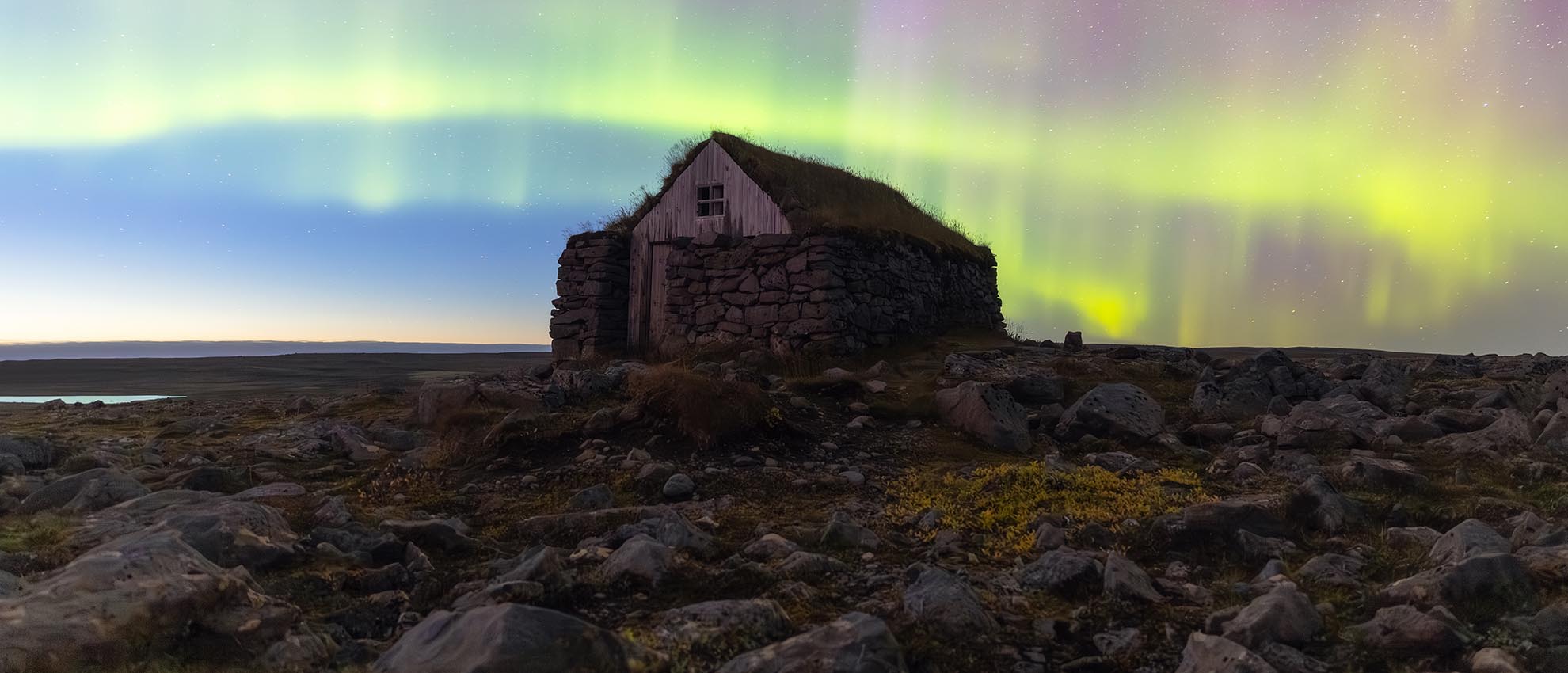
Iceland is a country defined by its landscapes—glaciers, volcanoes, and waterfalls carve out a dramatic and unforgettable environment. Yet, beneath the surface of this geological wonder lies a deep well of history and folklore. The Icelandic Sagas, epic tales of the country's first settlers, are not just stories; they are the cultural bedrock of the nation. For visitors embarking on a self-drive tour, these ancient narratives offer a unique lens through which to experience the land. Renting a car in Iceland gives you the freedom to trace the footsteps of Viking heroes, explore the sites of legendary battles, and connect with the myths that are woven into the very fabric of the island.
This guide will help you navigate Iceland's historical routes, transforming your road trip into a journey through time. We will explore key regions where sagas and history are most palpable, providing the information you need to plan a safe and memorable adventure. By choosing the right vehicle, from a reliable 4x4 rental in Iceland for mountain roads to an economical compact car for paved routes, you can unlock a deeper understanding of how these powerful stories continue to shape the Icelandic experience.
Planning Your Saga-Themed Self-Drive Tour
A successful historical road trip in Iceland requires careful planning. The country's weather is famously unpredictable, and road conditions can change rapidly, particularly outside of the summer months.
Choosing Your Vehicle
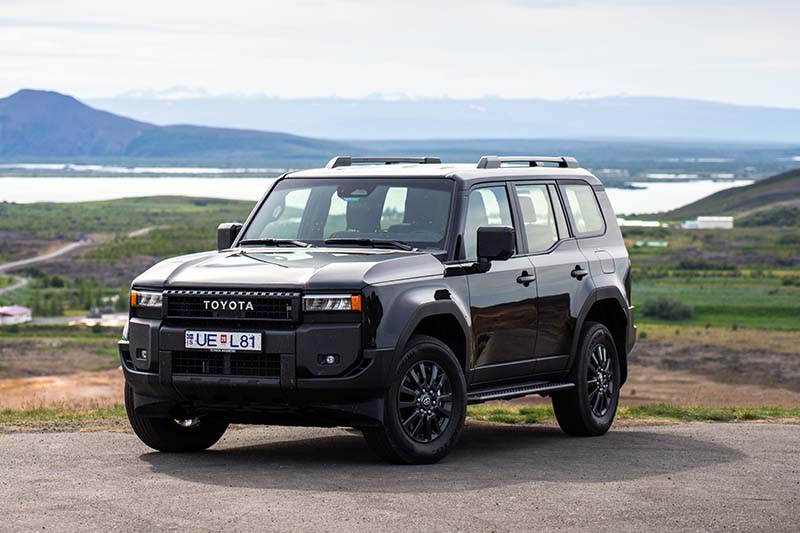
Your choice of rental car is crucial. For journeys along the main Ring Road (Route 1), a standard 2WD vehicle is generally sufficient during summer. However, if your itinerary includes exploring the Westfjords, the Highlands, or accessing more remote historical sites via F-roads (mountain roads), a 4x4 rental is essential. F-roads are legally accessible only by 4x4 vehicles and are typically open only from June to September. At Höldur Car Rental, we provide a wide range of vehicles to suit your specific itinerary, ensuring both safety and comfort. We recommend booking your Iceland car rental in advance, especially for summer travel, to secure the best vehicle for your needs.
Navigating Safely
Before setting out each day, always check the latest road conditions at umferdin.is and the weather forecast at vedur.is. Mobile phone coverage is generally good along the Ring Road but can be spotty in more remote areas. Informing someone of your daily travel plans is a sound safety practice. Remember that off-road driving is illegal in Iceland and carries heavy fines, as it causes irreparable damage to the delicate ecosystem.
West Iceland: The Cradle of the Sagas
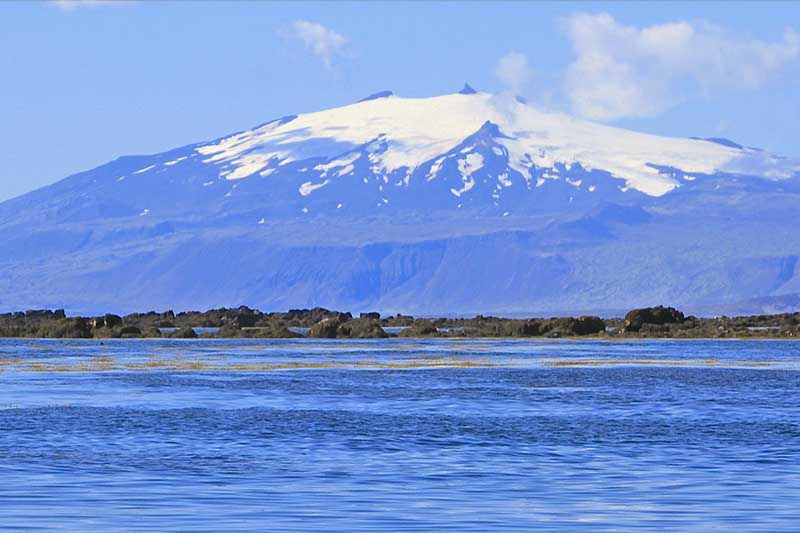
West Iceland, particularly the Borgarfjörður and Snæfellsnes Peninsula regions, is often called the "Saga Circle" for good reason. This area is the setting for many of the most famous Icelandic Sagas, including Egil's Saga and the Laxdæla Saga.
Borgarfjörður: In the Footsteps of Egil Skallagrímsson
The Ring Road takes you directly through Borgarfjörður, an area rich with tales of the Viking poet and warrior Egil Skallagrímsson. A short drive from the town of Borgarnes is the Settlement Centre, an excellent starting point. The center offers two fascinating exhibitions, one on the settlement of Iceland and another dedicated to Egil's Saga, providing crucial context for your explorations.
From Borgarnes, drive to Borg á Mýrum, the site of Egil's ancestral farm. While the original structures are long gone, a church now stands on the land, and a striking sculpture by Ásmundur Sveinsson depicts Egil carrying his drowned son, a powerful scene from the saga.
Further inland, you will find Reykholt, the historical home of Snorri Sturluson, the 13th-century chieftain, poet, and historian who is credited with writing or compiling many of the sagas, including Egil's Saga and the Prose Edda. Here you can visit Snorrastofa, a cultural and medieval research center, and see Snorralaug, one of Iceland's oldest known geothermal pools, where Snorri himself likely bathed.
The Snæfellsnes Peninsula: A Journey of Myth and Legend
The Snæfellsnes Peninsula is a microcosm of Iceland, and its landscapes are intertwined with folklore. It is the setting for the Laxdæla Saga, a tale of a dramatic love triangle, and the Bárðar Saga Snæfellsáss, about a half-human, half-ogre who became the peninsula's guardian spirit.
As you drive the peninsula, the majestic, glacier-capped Snæfellsjökull volcano will dominate the skyline. This is the mythical entrance to the underworld in the Bárðar Saga and, more famously, the starting point for Jules Verne's Journey to the Center of the Earth.
On the southern coast, near the village of Arnarstapi, you can find the stone monument to Bárður Snæfellsás. The dramatic basalt columns and sea stacks in this area feel like a landscape born of legend. Driving between Arnarstapi and Hellnar offers stunning coastal views and access to unique rock formations that have inspired stories for centuries.
North Iceland: Chieftains, Outlaws, and Epic Battles
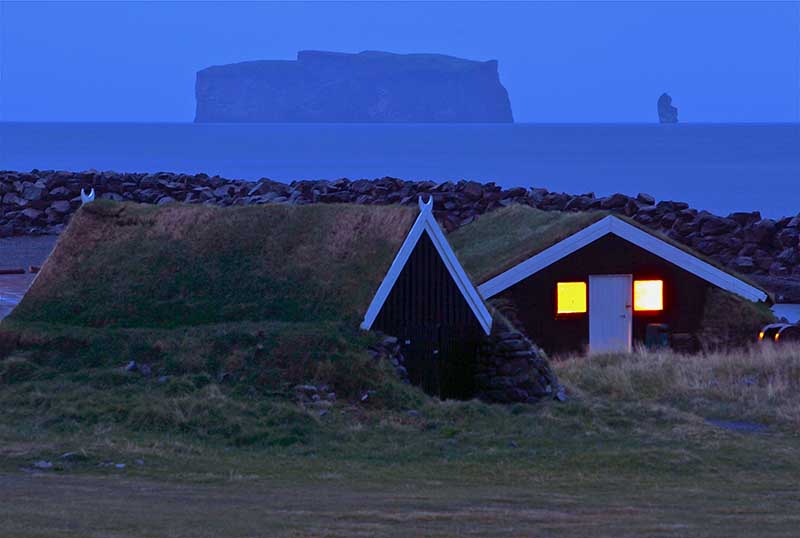
The north of Iceland is a land of sweeping valleys and deep fjords, a region that was once home to powerful chieftains and the site of pivotal events in the nation's history. A drive through this area reveals the settings of Grettir's Saga and the Sturlunga Saga.
Skagafjörður: The Valley of Horses and History
Known as the cradle of Icelandic horsemanship, Skagafjörður was also a center of political power during the Age of the Sturlungs (13th century). This period of civil war is chronicled in the Sturlunga Saga.
A key historical site here is Glaumbær, a beautifully preserved turf farmhouse museum. While the current buildings date to the 18th and 19th centuries, the site has been inhabited since the Age of Settlement. Walking through its turf-covered passages offers a tangible connection to Iceland's past way of life.
Not far from Glaumbær is Víðimýrarkirkja, one of the few remaining turf churches in Iceland. Built in 1834, it represents a building tradition that stretches back to the first days of Christianity in the country.
For fans of Grettir's Saga, a trip to the island of Drangey in the middle of the fjord is a must. According to the saga, the outlaw Grettir the Strong spent his final years here in exile. Boat tours to the island are available from Sauðárkrókur during the summer, allowing you to experience the isolation and rugged beauty that defined Grettir's last stand.
Lake Mývatn and Goðafoss: A Tale of Conversion
The area around Lake Mývatn is known for its geothermal activity and unique volcanic formations, but it also holds historical significance. The dramatic lava fields of Dimmuborgir, known as the "Dark Castles," are steeped in folklore, said to be the home of trolls and the mischievous Yule Lads.
A short drive west of Mývatn is Goðafoss, the "Waterfall of the Gods." Its name comes from a pivotal moment in Icelandic history. In the year 1000, the law-speaker Þorgeir Ljósvetningagoði was tasked with deciding whether Iceland should adopt Christianity. After making his decision in favor of the new religion, he returned to his home and symbolically threw his idols of the Norse gods into this waterfall.
South Iceland: Where Saga Meets Natural Wonder
The popular South Coast route is famous for its waterfalls and black sand beaches, but it is also the setting for one of the most celebrated sagas: Njáls Saga. This epic tale of friendship, honor, and brutal revenge unfolds across the landscape between the towns of Hella and Vík.
Following the Path of Njáls Saga
Start your journey in Hella, where you can visit the Saga Centre to learn about the characters and plot of Njáls Saga. From there, you can drive to several key locations mentioned in the story.
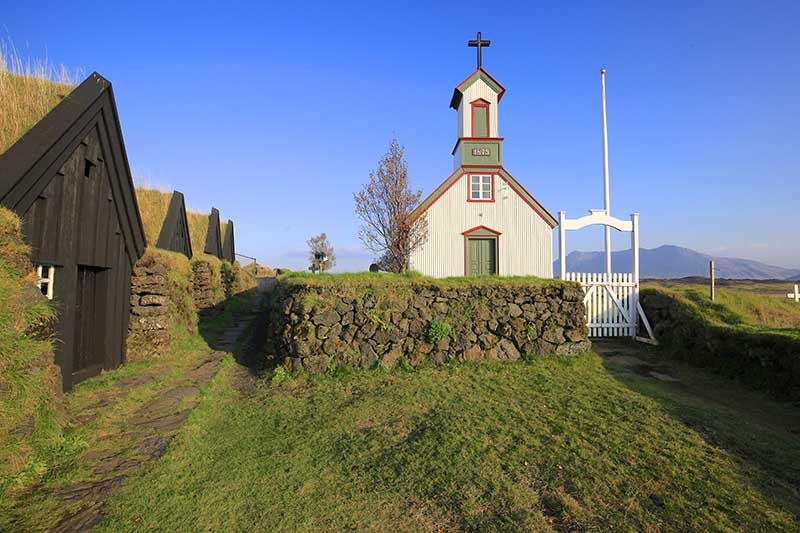
A short drive east leads to Keldur, which features some of the oldest surviving turf buildings in Iceland and an ancient underpass thought to be from the 12th or 13th century. This farm is mentioned in the saga and provides a glimpse into the architecture of the era.
Further along the Ring Road, you will reach Hlíðarendi, the home of Gunnar Hámundarson, one of the saga's main heroes. Standing on the hill where his farm once was, looking out at the panoramic view, it is easy to understand the famous passage where, sentenced to exile, Gunnar looks back at his land and decides he cannot leave, sealing his fate.
The climax of the saga takes place at Bergþórshvoll, the farm of the other protagonist, Njáll Þorgeirsson. It was here that Njáll and his family were cornered and burned alive by their enemies. Today, the site is marked by a simple sign and a memorial, a somber and powerful place to reflect on this tragic tale.
Your journey through history doesn't have to end here. Renting a car in Iceland gives you the ultimate flexibility to discover your own saga sites and historical landmarks. From the sagas of the Eastfjords to the early parliamentary history of Þingvellir National Park, every road in Iceland leads to another story.

Frequently Asked Questions (FAQs)
What is the best type of car to rent for a historical tour of Iceland?
For most historical sites along the Ring Road, such as those in South and West Iceland, a 2WD car is sufficient in summer. However, if you plan to visit remote saga locations, the Westfjords, or travel on F-roads (e.g., to the Highlands), a 4x4 rental in Iceland is necessary for safety and legal compliance.
Can I visit saga sites near Reykjavík on a day trip?
Yes, several significant historical sites are accessible from Reykjavík. You can drive the "Saga Circle" in West Iceland, visiting Borgarnes and Reykholt, in a long day trip. Þingvellir National Park, the site of Iceland's first parliament (Alþingi), is also just a 45-minute drive from the city.
Are historical sites in Iceland open year-round?
Many outdoor sites, like Goðafoss and the locations from Njá's Saga, are accessible year-round, weather permitting. However, museums and visitor centers like the Settlement Centre in Borgarnes and Glaumbær Farm may have reduced hours in winter. F-roads and some minor rural roads are closed from fall until early summer, limiting access to more remote locations.
Do I need to book my rental car for Iceland in advance?
We highly recommend booking your car rental for Iceland well in advance, especially for travel between June and August. This ensures you get the vehicle that best fits your itinerary, whether it's an affordable car rental or a specific 4x4 model, and often at a better price.
Is it difficult to drive to saga locations in the Westfjords?
Driving in the Westfjords is more challenging than other parts of Iceland due to winding gravel roads and steep mountain passes. A 4x4 is recommended for comfort and safety. Allow ample time for travel and be prepared for changeable weather. The region is rich in folklore, including tales of sorcery and sea monsters, making it a rewarding destination for adventurous travelers. See also Choosing the Best 4x4 for Iceland's Westfjords.
Are there guided saga tours available by car?
While many guided bus tours exist, a self-drive tour offers unparalleled freedom. You can use this guide and resources from local visitor centers to create your own itinerary. Renting a car allows you to spend as much time as you wish at each location, from the historical farms of Skagafjörður to the black sand beaches of the South Coast.
How much does it cost to rent a car in Iceland for a saga tour?
The cost of renting a car in Iceland varies by season, vehicle type, and rental duration. Economy cars are the most budget-friendly option, while 4x4 SUVs are more expensive. Booking early and traveling outside the peak summer season can help you find a cheap car rental in Iceland.
What should I know about driving on F-roads to reach historical areas?
F-roads are unpaved mountain tracks, open only in summer. They are legally restricted to 4x4 vehicles. These roads can be rough and may involve river crossings. Always check road.is for current conditions before attempting to drive on an F-road and never cross a river you are unsure about.
Can I see the Northern Lights while on a historical driving tour?
Yes, if you are traveling between September and April. Driving away from the city lights of Reykjavík or Akureyri to the historical locations in the countryside will increase your chances of witnessing the Aurora Borealis, adding another layer of magic to your trip.
Is Þingvellir National Park an important historical site to visit?
Absolutely. Þingvellir is a UNESCO World Heritage site of immense historical and geological importance. It was here that the Alþingi, one of the world's oldest parliaments, was established in 930 AD. It was the central stage for Icelandic society for centuries, where laws were made and disputes settled, many of which are detailed in the sagas.
Final Words
Exploring Iceland’s landscapes through the lens of the sagas and history transforms an ordinary journey into a meaningful adventure. Each road and landmark carries a story, connecting you not just to Iceland’s past, but also to the living heritage of its people and culture.
By choosing a reliable rental car and planning with care, you open up the freedom to discover these remarkable places safely and at your own pace. Whether you seek out legendary saga sites, tranquil historical farms, or immerse yourself in dramatic folklore, every route offers an opportunity to craft your own unforgettable travel story.
We invite you to start your adventure with confidence and curiosity. Iceland’s driving routes are ready to reveal their stories—let Höldur Car Rental help you discover them, every step of the way. Safe travels!