- Vehicles
- Small & Midsize Rental Cars in Iceland
- Family Rental Cars in Iceland
- Electric
- 4x4 Car Rental in Iceland
- Suzuki Jimny 4x4
- Dacia Duster 4x4
- Suzuki Vitara 4x4
- Suzuki Vitara auto 4x4
- Dacia Bigster 4x4
- Kia Sportage 4x4 Auto
- Kia Sportage PHEV 4x4 auto
- Mitsubishi Outlander PHEV 4x4 auto
- Toyota Rav4 4x4 auto
- Kia Sorento 4x4 auto
- Mercedes Benz 350 GLE PHEV 4x4 auto
- Toyota Landcruiser 150 4x4 auto
- Toyota Landcruiser 250 4x4 auto
- Landrover Discovery 5 4x4 auto
- Landrover Defender 4x4 auto
- Prestige
- Rent a Minivan in Iceland
- 4x4 Camper
- Motorhomes
- Driving in Iceland
- Services
- Locations
- Travel Inspiration
- South Iceland: A complete guide
- Reynisfjara Beach in Iceland - Your Guide to a Safe Visit
- Best Times to Visit the Golden Circle in Iceland
- North Iceland: A Complete Guide for Drivers
- East Iceland A Complete Guide for Drivers
- West Iceland The Complete Driver’s Guide
- Your Ultimate Guide to Exploring Iceland’s Ring Road
- Driving the Diamond Circle in Iceland: Your Ultimate Guide
- Driving Iceland's Golden Circle: Your Ultimate Guide
- A 10-Day Itinerary in Iceland: Tips + Ideas
- The Perfect Itinerary for 7 Days in Iceland
- The Best Time to See the Northern Lights in Iceland with a Rental Car
- Renting a Camper in Iceland: The Complete Guide
- Getting to Iceland: A Comprehensive Guide on How to Reach the Land of Fire and Ice
- Nature Bath Locations in Iceland: A Complete Guide
- Iceland with Kids: A 5-Day Self-Drive Itinerary
- Winter Driving in Iceland: A Comprehensive Overview for Foreign Tourists
- The Total Solar Eclipse in Iceland – August 12, 2026
- Exploring Iceland's National Parks on a Self-Drive Adventure
- Exploring Iceland's Wonders: A Comprehensive Guide to Activities and Car Rentals
- Springtime in Iceland – Your Comprehensive Travel Guide
- Exploring Iceland's Most Popular Highland Routes
- The Pearls of Westfjords: The Ultimate Guide
- Exploring Iceland's Hidden Gems | Off-the-Beaten-Path Adventures
- Driving in Iceland in June: Tips for a Safe and Scenic Summer Road Trip
- Driving in Iceland in July: Tips, Routes & Rentals
- Driving in Iceland in August: Late-Summer Freedom on the Open Road
- Guide to Skaftafell Iceland Self-Drive A Journey Through Fire and Ice
- Eco-Friendly Road Trips in Iceland, Sustainable Travel Tips
- Photographer’s Paradise Top Scenic Drives in Iceland for Stunning Shots
- Iceland's Folklore and Legends A Road Trip Through Mythical Sites
- Iceland’s Midnight Sun and How to Make the Most of 24-Hour Daylight
- Exploring Iceland’s Viking Heritage: Top Historical Sites
- Chasing Waterfalls: A Road Trip to Iceland’s Most Spectacular Cascades
- Iceland's Volcanic Wonders: A Self-Drive Tour of Active and Dormant Volcanoes
- Tee Off in the Land of Fire and Ice: A Guide to Golfing in Iceland
- Birdwatching in Iceland: Puffins and Beyond
- Iceland’s Diverse Beaches: Beyond the Black Sands
- Icelandic Horses: The Unique Breed of the North
- Beyond the Ring Road: Iceland’s Hidden Scenic Drives
- Iceland’s Ice Caves: A Year-Round Adventure
- Wildlife Watching in Iceland: Where and When to Go
- Iceland’s Hidden Hot Springs: A Self-Drive Guide to Secret Soaks
- Navigating Iceland’s Weather: What to Expect Each Season
- Tröllaskagi Peninsula: Iceland’s Mountainous Marvel — A Scenic Road Trip with Höldur
- Mastering Iceland's Roundabouts: A Driver’s Guide
- Essential Tips for Renting a Car in Iceland
- Navigating Iceland’s One-Lane Bridges: Your Guide to Safe and Scenic Crossings
- Exploring Iceland’s Film Locations by Rental Car
- 5 Must-Visit Destinations Within Two Hours of Keflavík Airport
- Seasonal Car Rental Tips for Iceland’s Summer Festivals
- Understanding Iceland's F-Roads: How to Drive Safely Into the Highlands
- What Makes Iceland Unique: Top 15 Highlights for an Unforgettable Journey
- Driving and Hiking in Harmony: Explore Iceland's Natural Wonders with Höldur Car Rental
- Best Car to Rent in Iceland?
- Avoiding Common Car Rental Mistakes in Iceland
- Making Your Car Rental in Iceland Child-Friendly: Tips for Stress-Free Family Travel
- Exploring Akureyri, Iceland’s Northern Gem, with EasyJet and Europcar
- Renting a Manual or Automatic Car in Iceland
- Discover the Arctic Coast Way in Iceland with Höldur Car Rental
- How to Save on Fuel Costs During Your Iceland Road Trip
- Electric vs. 4x4 Rentals in Iceland: Which is Right for Your Trip?
- Top Scenic Detours Off Iceland's Ring Road
- Top Safety Tips for First-Time Drivers on Iceland’s Roads
- Cultural Pit Stops Along Iceland’s Ring Road
- Your Guide to Exploring Stuðlagil Canyon by Car: Iceland’s Basalt Beauty Awaits
- Day Trip Ideas From Reykjavik by Rental Car
- Visit Glymur Waterfall: The Ultimate Self-Drive Adventure from Reykjavík
- Discover the Volcanic Wonders of Lake Mývatn by Car
- Discovering the Magic of Snæfellsnes Peninsula by Car
- Your Self‑Drive Guide to Gullfoss Waterfall
- A Guide to Seljalandsfoss Waterfall in Iceland: Explore by Car
- Exploring Reykjanes Peninsula A Self Drive Guide
- Exploring Iceland Landmannalaugar by 4x4
- A Beginner's Guide to River Crossings in Iceland
- Best Car Rental Offers for Iceland’s Summer Adventures
- Your Self‑Drive Guide to Þingvellir National Park
- Your Ultimate Guide to Geysir, Iceland: All You Need to Know
- How to Pay for the Vaðlaheiðargöng Tunnel
- Your Guide to Visiting Jökulsárlón Glacier Lagoon
- The Diamond Beach in Iceland: A Sparkling Wonder Worth Visiting
- Parking fines in Iceland: how to pay and what to do if you receive one
- Where to find overnight parking in Reykjavík: a local’s guide for travellers
- How to park for free in Reykjavík: tips to save on your Iceland trip
- How to pay for parking in Reykjavík - A friendly guide for drivers in Iceland
- Game of Thrones Filming Locations in Iceland: A Self-Drive Guide
- How to Choose the Right Car Rental at Keflavík Airport
- Flying Within Iceland: Your Guide to Domestic Routes and Regional Airports
- Top 3 Must-See Attractions on Iceland's Golden Circle
- Hidden Gems Along the Golden Circle Route
- Your Essential Guide to Iceland: Currency, Culture, and Car Rental Tips
- How to Plan the Perfect Golden Circle Self-Drive Tour
- The Comprehensive Guide to Rental Car Sizes at Keflavik Airport
- Húsafell & Hallmundarhraun: Hidden Lava Field Adventures by Car
- Iceland Weather by Month: What to Expect and How to Drive Safely with Holdur Car Rental
- A Guide to Iceland’s Quirky Roadside Attractions
- Exploring Iceland’s Lava Tubes | Self-Drive Cave Adventures with Höldur Car Rental
- Coolcation in Iceland: Self-Drive Your Summer Escape to the North
- Driving Iceland’s Coastal Roads: A Guide to Lesser-Known Peninsulas
- Top Tips for Driving in Iceland Safely Year-Round
- The Best Rest Stops and Viewpoints Along Iceland's Ring Road
- Driving in Iceland in September: Embrace the Autumn Adventure
- Your Guide to Exploring Fjaðrárgljúfur – South Iceland’s Fairytale Canyon
- Explore Reykholt on a Self-Drive Tour in Iceland
- How to Choose the Right Insurance for Your Iceland Car Rental
- Hiking Múlagljúfur Canyon: Iceland’s Hidden Gem You Can’t Miss
- Understanding Iceland's Weather and How It Affects Driving Conditions
- Dyrhólaey: A Complete Self-Drive Guide to Iceland's Breathtaking South Coast
- Where to See Iceland’s Tectonic Plates Up Close
- Scenic Journey on Kjalvegur Road 35 Reykjavik to Akureyri
- Guide to Visiting Svartifoss with a Rental Car
- Kerið Crater Lake in Iceland: A Self-Drive Guide
- Your Complete Guide to Stokksnes, Iceland with a Rental Car
- Hengifoss Waterfall in Iceland: The Ultimate Self-Drive Guide
- Your Complete Guide to Visiting Skógafoss Waterfall with a Rental Car
- Into the Heart of Þórsmörk: Iceland’s Valley of Thunder
- Dynjandi Waterfall in Iceland: The Ultimate Self-Drive Guide
- Visiting Ásbyrgi Canyon in North Iceland by Car: A Complete Self-Drive Guide
- Driving in Iceland in October: Embrace the Autumn Transition
- Hraunfossar: Iceland’s Hidden Gem for Self-Drive Travellers
- Barnafoss Waterfall: Iceland’s Raging Cascade with a Legend
- Driving in Iceland in November: Your Complete Guide to a Spectacular Autumn Adventure
- Fishing in Iceland: All You Need to Know
- Öxarárfoss Waterfall in Iceland: A Self-Drive Guide with Höldur
- Life in Iceland: Essential Guide to Living in the Land of Fire and Ice
- People of Iceland - 12 Fun Facts About Icelanders
- Glaumbær Turf Houses: A Self-Drive Guide to Iceland’s Living History
- Húsavík: Whale Watching Capital of Iceland
- Svínafellsjökull Glacier: A Self-Drive Guide to Iceland’s Ice Giants
- Kirkjubæjarklaustur: A Historic South Coast Gem
- Vík í Mýrdal: South Iceland’s Coastal Treasure
- Namaskard: A Self-Drive Guide to Iceland’s Geothermal Wonderland
- Laufás Heritage Site: Where Iceland’s Past Lives On
- Navigating Iceland's Gravel Roads: Tips for a Safe and Smooth Drive
- Iceland's Best Stargazing Spots for Self-Drive Travellers
- Iceland's Best Picnic Spots: Scenic Stops for Self-Drive Adventures
- Top 5 Family-Friendly Hiking Trails Accessible by Rental Car
- 15 Tips for Travelling to Iceland
- How to Plan a Winter Photography Road Trip in Iceland
- Visiting Gljúfrabúi Waterfall — A Self-Drive Guide
- How to Spot Puffins in Iceland: A Self-Drive Adventure
- Your Essential Guide to Winter Tyres and Safe Driving in Iceland
- Iceland’s Most Active Volcanoes: A Self-Drive Guide
- Iceland’s Most Scenic Bridges and River Crossings: A Self-Drive Guide
- Iceland’s Most Instagrammable Spots for Self-Drive Travellers
- How Cold Is It in Iceland During Winter? A Self-Drive Guide
- Explore Dimmuborgir: A Self-Drive Guide to Iceland's Dark Castles
- The Ultimate Guide to Iceland’s Top 5 Waterfalls by Car
- Iceland’s Best Scenic Routes for Autumn Foliage: A Self-Drive Guide
- The Best Time to Visit Iceland for Self-Drive Travellers
- Self-Drive Adventures to Iceland’s Remote Lighthouses
- Selfoss Waterfall Self-Drive Guide: Explore Iceland Your Way
- All About the Icelandic Sheep
- Vestrahorn: A Self-Drive Guide to Iceland’s Stokksnes Peninsula
- Höfn, Iceland: The Lobster Town Self-Drive Guide
- Exploring Arnarstapi: A Self-Drive Guide
- A Guide to Iceland's Seasonal Foods for Your Road Trip
- Hverfjall Crater, Iceland: A Self-Drive Guide
- Self-Drive Guide to Visiting Askja
- A Self-Drive Guide to Visiting Kerlingarfjöll
- A Self-Drive Guide to Gunnuhver Geothermal Area
- Skriduklaustur, Iceland: A Self-Drive Guide to History & Culture
- Your Ultimate Guide to Visiting the Blue Lagoon in Iceland
- Borgarnes, Iceland: Top Things to Do & Self-Drive Guide
- A Guide to Glaciers in Iceland
- Car Rental Insurance in Iceland: What’s Usually Included, What’s Not & How to Choose
- Best Car Models for Iceland’s Terrain: Recommendations by Route
- Solo Traveller’s Guide to Self-Driving in Iceland
- Exploring Iceland’s Arctic Circle: What to See and Do
- How to Plan a Budget-Friendly Road Trip in Iceland
- The History of Iceland’s National Day: A Self-Drive Celebration
- Where to Spot Whales in Iceland: A Self-Drive Guide
- The Diamond Circle vs. The Golden Circle: Which Route is Right for You?
- Embracing a Greener Journey: Sustainability in Iceland
- Granni: A Self-Drive Guide to Iceland’s Neighboring Waterfall
- Háifoss: A Self-Drive Guide to Iceland’s Tallest Waterfall
- Iceland's Best Camping Spots for Road Trippers
- Gjáin: A Self-Drive Guide to Iceland’s Hidden Oasis
- Iceland's Hidden Waterfalls: Beyond the Tourist Trails
- Hjálparfoss: A Self-Drive Guide to Iceland’s Helping Falls
- Seasonal Self-Drive Itineraries in Iceland: What’s Open When?
- Kirkjufell: A Self-Drive Guide to Iceland’s Most Photographed Mountain
- Fjallabak Nature Reserve: A Self-Drive Guide to Iceland’s Rugged Highlands
- Hrafntinnusker: A Self-Drive and Hiking Guide to Iceland’s Obsidian Wilderness
- When to Visit Iceland: Northern Lights and Ice Caves vs. Hiking and Highland Adventures
- Visiting Laugarvatn Fontana Spa with a Rental Car: A Relaxing Icelandic Getaway
- Hvítserkur Rock: A Self-Drive Guide to Iceland’s Dragon of the North
- Skiing in Iceland: A Self-Drive Guide for Winter Adventurers
- Visiting the Mývatn Nature Baths by Car: A Self-Drive Guide
- Visiting Vök Baths in East Iceland: A Self-Drive Guide
- Visiting Skútustaðir Pseudo-Craters: A Self-Drive Guide
- Visiting Hljóðaklettar: A Self-Drive Guide on the Diamond Circle
- The Ultimate Guide to Exploring Reykjavik with a Rental Car
- Visiting Seljavallalaug: A Hidden Gem in South Iceland
- Guide to Sólheimajökull Glacier by Iceland Car Rental
- Eyjafjallajökull: Iceland’s Glacier Volcano
- Ísafjörður, Iceland: Your Ultimate Self-Drive Guide to the Westfjords
- What Continent is Iceland In? A Traveler's Guide
- Katla Volcano: A Guide to Iceland's Sleeping Giant
- The Magic of Icelandic Water: A Traveler's Guide
- A Guide to Exploring Akureyri by Rental Car
- A Self-Drive Guide to the Krafla Volcanic Region
- 12-Day Iceland Self-Drive: The Complete Itinerary
- Hekla Volcano: A Self-Drive Guide to Iceland's Gateway
- Visiting Deildartunguhver: A Self-Drive Guide to Europe’s Most Powerful Hot Spring
- Exploring Borgarfjörður: A Self-Drive Guide to West Iceland
- Exploring Stórurð: A Self-Drive and Hiking Guide to East Iceland
- Visiting the Forest Lagoon in North Iceland: A Self-Drive Guide
- Driving in Iceland in December: Embrace the Winter Wonderland
- Exploring Grábrók: A Self-Drive Guide to Iceland’s Volcanic Crater
- Exploring Látrabjarg: A Self-Drive Guide to Iceland’s Westernmost Point
- Iceland Car Hire Tips for UK Drivers: What You Need to Know
- 4-Day Iceland Winter Itinerary: The Best of the South
- Mount Mælifell: Iceland’s Emerald Volcano
- How Long to Drive Around Iceland? A Self-Drive Guide
- Driving in Iceland in January
- Exploring Djúpavík: A Self-Drive Guide to Iceland’s Remote Westfjords
- What to Wear in Iceland: Tips for Every Season
- Things to Do in Stykkishólmur: A Self-Drive Adventure Through Iceland’s Magical West
- The Secret Lagoon: Iceland’s Hidden Gem of Relaxation and Discovery
- The Silver Circle of Borgarfjörður: Your Ultimate Self-Drive Guide
- Snæfellsjökull: A Journey to Iceland’s Glacier of Legends
- Car Rental Iceland 4x4: Best 4WD Options for Your Trip
- What to See in Iceland: 20 Places You Don’t Want to Miss
- How to Prepare for an Iceland Road Trip
- Your Guide to Visiting Fagrifoss Waterfall by Car
- Exploring Stakkholtsgjá Canyon: A Self-Drive Adventure in Iceland
- Kolugljúfur Canyon: A Guide to Iceland's Hidden Gem
- Exploring Kvernufoss: A Hidden Gem in South Iceland
- Skógar Museum: A Journey Through Iceland's History
- 2 Days in Iceland: The Perfect Itinerary
- Exploring Berserkjahraun: A Self-Drive Guide to Iceland’s Lava Fields
- Driving in Iceland in February: Your Complete Guide
- Iceland Daylight Hours by Month: Planning Your Trip
- Petra’s Stone Collection: A Self-Drive Gem in East Iceland
- Iceland's New Kilometer-Based Road Tax: Everything You Need to Know
- Krýsuvíkurbjarg Cliffs: Self-Drive Guide to Iceland’s Wild Coast
- Brimketill: The Reykjanes Peninsula’s Natural Lava Pool
- Exploring Eldhraun Lava Field: A Self-Drive Guide to Iceland’s Volcanic Marvel
- Iceland 2026 Car Rental Guide
- Choosing the Best 4x4 for Iceland's Westfjords
- How Sagas and History Shape Iceland's Driving Routes
- Driving in Iceland After Dark: How to Plan Safe Evening & Night Drives
- What to Do When Roads Close in Iceland: A Traveller’s Plan B Guide
- Iceland With a 2WD Only: No‑Gravel, No F‑Road Itineraries
- Iceland Through the Windshield: Landscapes You’ll See Without Leaving the Car
- Iceland EV Road Trips Made Easy (2026 Guide)
- Iceland Speed Cameras & Fines: The 2026 Driver’s Guide for Visitors
- 24 Hours in Iceland (KEF Layover): Two Seasonal Micro-Itineraries by Car
- Self-Drive Iceland for First-Timers: A Realistic Day-by-Day Pace Guide
- The Complete Self-Drive Guide to Fjallsárlón Glacier Lagoon
- Route 60 Westfjords Road Trip: Dynjandi, Þingeyri & New Tunnels Explained
- Baldur Ferry With a Rental Car: Stykkishólmur ↔ Brjánslækur
- Iceland at Easter: 5‑Day Self‑Drive Itinerary from KEF
- Westman Islands by Rental Car + Ferry: Day Trip from the South Coast
- Reykjavík Northern Lights Pull-Outs: Safe Self-Drive Spots within 45 Minutes of the Capital
- Staying Connected: Best SIM Cards and Wi-Fi Options for Your Iceland Road Trip
- The "Gas & Go" Logistics Guide: How to Pay for Gas in Iceland Without Getting Stranded
- Iceland Wind Guide for Drivers
- Fjallsárlón vs Jökulsárlón: Which Glacier Lagoon to Visit by Car?
- Iceland Road Conditions by Region (What to Expect Beyond Weather)
- Iceland’s Best Scenic Loops
- Iceland for Everyone: Accessible Natural Wonders by Car
- Iceland’s Most Photogenic Churches: A Scenic Architectural Drive
- Driving in Iceland in March: Weather, Daylight & Safe Itineraries (2026)
- Go / No-Go: A Driver’s Playbook for Using Road.is, Veður & SafeTravel Before You Set Off
- How to Plan a 3-Day Self-Drive Adventure in Iceland’s Highlands
- Driving in Iceland in April: Weather, Daylight & Safe Itineraries
- One-Way Car Rental in Iceland: Keflavik to Akureyri
- The Arctic Henge & Langanes: Driving Northeast Iceland’s Remote Edge
- Driving in Iceland in May: Late-Spring Conditions, Puffins & Ring Road Plans
- Driving in Iceland in June: 2026 Update
- 2 Days on Iceland's South Coast: The Ideal Self-Drive Itinerary
- Iceland Road Trip Packing List by Season: What to Keep in Your Rental Car
- The Ultimate Iceland Road Trip Grocery Guide: Where to Shop and How to Save
Practical Travel Tips
Self-Drive Iceland for First-Timers: A Realistic Day-by-Day Pace Guide
29.01.2026
Introduction: The Mistake Almost Every First-Time Visitor Makes
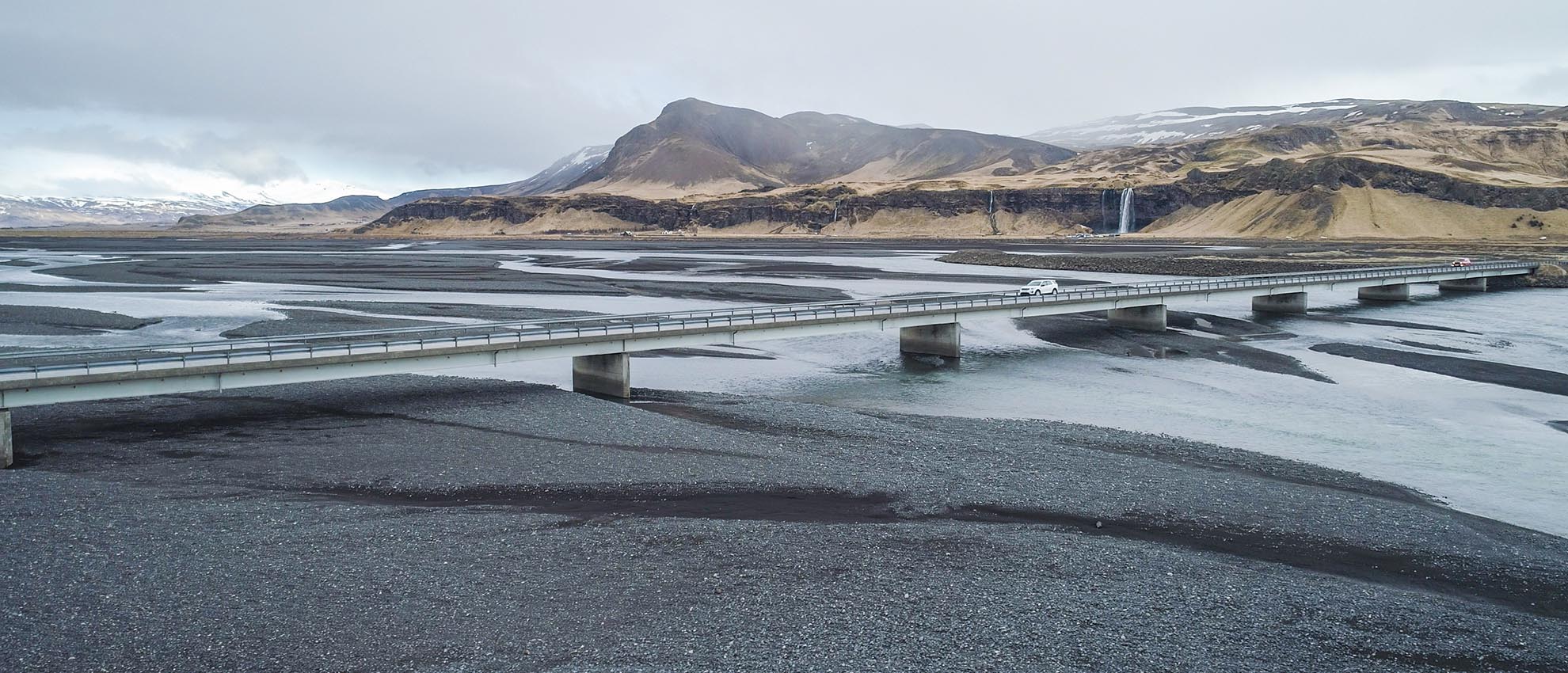
Iceland looks small on a map.
That’s where the trouble starts.
Many first-time visitors plan their Iceland road trip assuming they can “do the Ring Road” the same way they’d drive across a country back home. Distances seem short. Driving times look manageable. Attractions appear close together.
Then reality hits.
Roads are slower than expected. Weather changes suddenly. You stop far more often than planned. And what looked like a four-hour drive turns into a full-day experience.
This guide is here to help you avoid that mistake.
If you’re planning your first self-drive trip in Iceland, this article will walk you through:
-
How long you should realistically drive each day
-
Why short distances still take time
-
How long stops actually take
-
How to balance sightseeing with rest
-
Ideal daily driving ranges
-
How to build a stress-free itinerary
-
What pace works best for Iceland’s roads and weather
This isn’t a rushed itinerary. It’s a realistic pacing guide, based on how people actually travel — and what experienced Iceland road-trippers wish they’d known before arriving.
Why Pace Matters More in Iceland Than Almost Anywhere Else
Iceland is not a “drive and tick boxes” destination.
Here’s why pace matters more here than in most countries:
-
Single-lane highways with few passing areas
-
Frequent weather changes, even in summer
-
Natural attractions every 10–30 minutes
-
Unpredictable stops (sheep, wind, waterfalls, photo moments)
-
Limited daylight in winter, endless daylight in summer
-
Fatigue from visual overload and wind exposure
What looks like a short drive on Google Maps often turns into:
-
Extra photo stops
-
Longer hikes than expected
-
Weather delays
-
Slower driving due to wind or gravel roads
This is why pacing matters more than mileage.
How Many Hours Should You Drive Per Day in Iceland?
The Short Answer
For most travelers:
3–5 hours of driving per day is ideal.
That doesn’t mean nonstop driving. It means total time behind the wheel.
The Realistic Breakdown
| Travel Style | Daily Driving Time | Who It’s Best For |
|---|---|---|
| Relaxed | 2–3 hours | Photographers, couples, slow travelers |
| Balanced | 3–5 hours | First-timers, most visitors |
| Fast-paced | 5–7 hours | Ring Road in 7–8 days |
| Exhausting | 7+ hours | Not recommended |
Anything above 5–6 hours daily starts to feel rushed, especially if you want to enjoy stops rather than rush through them.
Why Driving in Iceland Takes Longer Than You Expect
1. You Will Stop Constantly
Iceland isn’t a place you drive through — it’s a place you stop in.
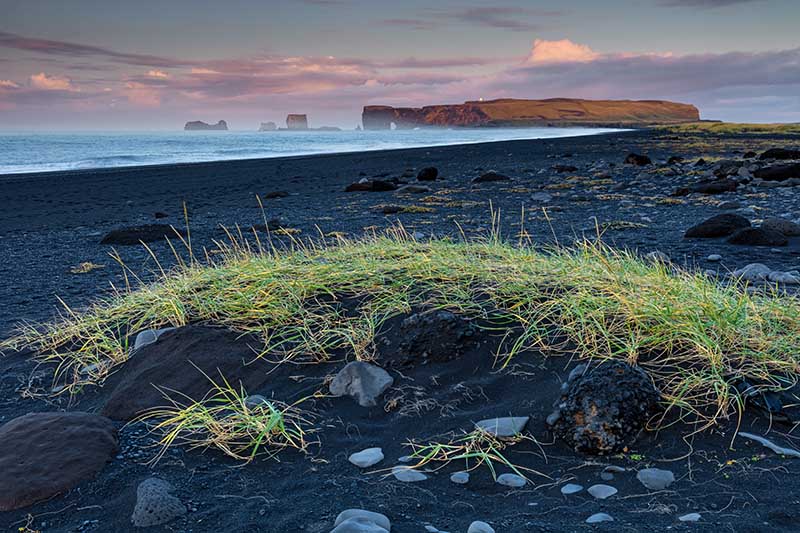
Waterfalls appear without warning. Scenic pullouts tempt you every few kilometers. Even a short stop turns into 20 minutes once you park, walk, and take photos.
Multiply that by 10 or 15 stops per day.
2. Speed Limits Are Lower Than You Think
-
Paved highways: 90 km/h (56 mph)
-
Gravel roads: 80 km/h (50 mph)
-
Towns: 50 km/h (31 mph)
And that’s in good conditions.
Wind, rain, fog, or sheep often slow things down.
3. Weather Adds Buffer Time
Icelandic weather can change in minutes. Wind gusts slow driving. Rain or fog reduces visibility. Snow or ice can appear unexpectedly outside summer.
You should always plan buffer time, even in July.
4. Driving Is Mentally Tiring
The scenery is stunning, but it demands attention. Narrow bridges, sudden curves, and changing road surfaces require focus.
This adds fatigue faster than highway driving elsewhere.
The Ideal Daily Distance for a Self-Drive Trip
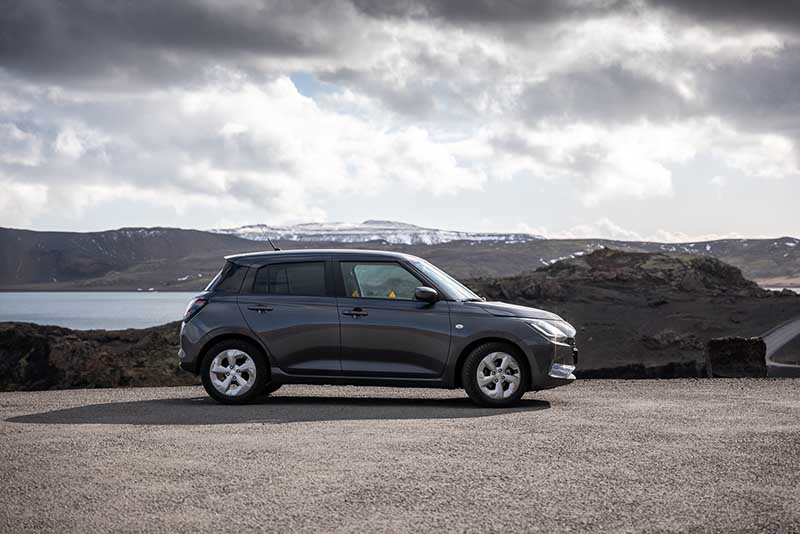
Instead of planning by hours, think in kilometers per day.
Recommended Daily Driving Distance
-
100–150 km (60–95 miles) → Relaxed and enjoyable
-
150–250 km (95–155 miles) → Balanced and realistic
-
250–350 km (155–215 miles) → Busy but doable
-
350+ km (215+ miles) → Rushed and tiring
For first-time visitors, the sweet spot is usually:
150–220 km per day
This allows time for:
-
Sightseeing
-
Short hikes
-
Meals
-
Weather delays
-
Enjoying the drive itself
How Long Do Stops Actually Take in Iceland?
This is where most itineraries fall apart.
Here’s a realistic breakdown:
Waterfalls
-
Parking + walk: 10–15 min
-
Viewing & photos: 15–30 min
-
Total: 30–45 minutes
Black Sand Beaches / Viewpoints
-
Parking + walking: 10–15 min
-
Exploring: 20–40 min
-
Total: 30–60 minutes
Short Hikes
-
Easy trail: 45–90 minutes
-
Moderate hike: 1.5–3 hours
Fuel + Bathroom Stops
-
Add 15–20 minutes each time
Food Stops
-
Café or gas station: 20–30 minutes
-
Restaurant: 60–90 minutes
Now multiply that across a day.
That’s why a “simple” 3-hour drive often becomes a full day.
Over-Planning vs Under-Planning: Finding the Sweet Spot
Over-Planning Looks Like:
-
8–10 stops per day
-
Long drives plus hikes
-
Arriving late every night
-
Skipping stops to stay on schedule
-
Feeling rushed and stressed
Under-Planning Looks Like:
-
Too much driving for one attraction
-
Long empty stretches
-
Wasted daylight
-
Feeling unsure where to go
The Ideal Balance:
-
3–5 main stops per day
-
1–2 flexible “bonus” stops
-
Time to explore spontaneously
-
Evenings with daylight to relax
Iceland rewards slow travel. The best moments are often unplanned.
Day-By-Day Pace Example (Realistic, Not Rushed)
Day 1: Arrival + Reykjavík Area
-
Pick up car
-
Short drive
-
Groceries, casual exploring
-
Driving time: 1–2 hours
Day 2: Golden Circle
-
Optional Secret Lagoon
-
Driving: 3–4 hours
-
Total day: Full but relaxed
Day 3: South Coast
-
Driving: 3–4 hours
-
Stops: Many
Day 4: Glaciers or Eastbound Drive
-
Longer drive
-
Fewer stops
-
Early night
Day 5–7: North or East Iceland
-
Fewer crowds
-
Longer distances
-
Slower pace
-
More scenic driving
This rhythm keeps energy high and stress low.
How Weather Should Influence Your Daily Plan
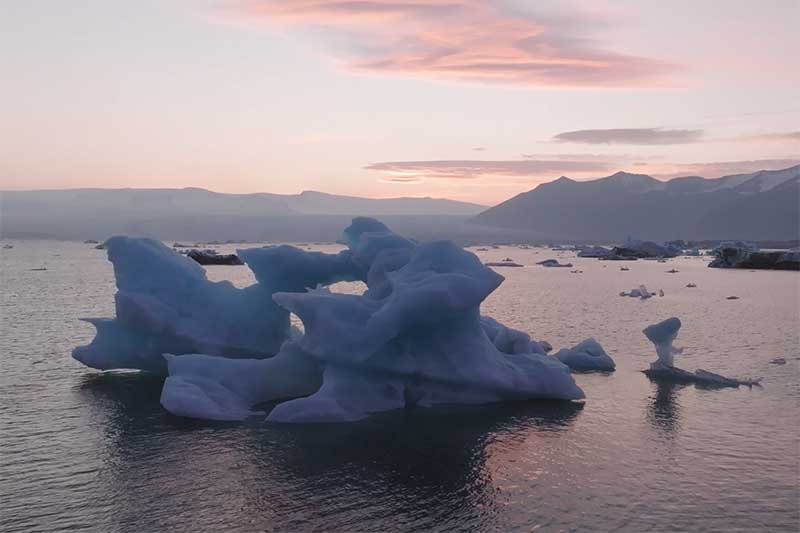
Always assume you’ll need flexibility.
Good Weather = Explore More
-
Longer hikes
-
Scenic detours
-
Sunset stops
Bad Weather = Drive Less
-
Shorter distances
-
Fewer stops
-
Earlier arrivals
Pro tip:
Never plan a must-see attraction at the end of a long drive.
Weather delays can easily ruin that plan.
How Your Rental Car Choice Affects Your Pace
Your vehicle matters more than most people expect.
2WD Cars
-
Perfect for Ring Road
-
Best in summer
-
Lower fuel use
-
Stick to paved roads
4x4 Vehicles
-
Better for wind and gravel
-
Required for F-roads
-
More confidence in poor weather
-
Slightly slower but safer
If you plan to explore beyond main highways, a 4x4 gives you flexibility and peace of mind, especially for first-time visitors.
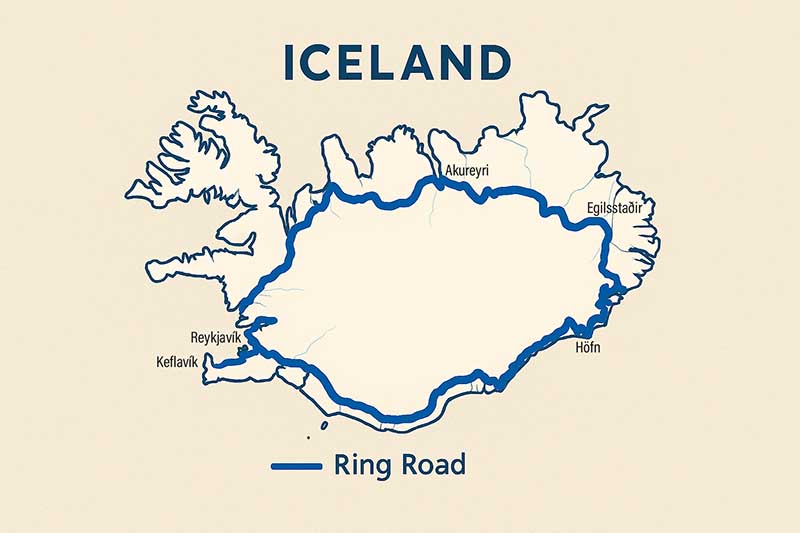
The Best Pace for Ring Road Trips
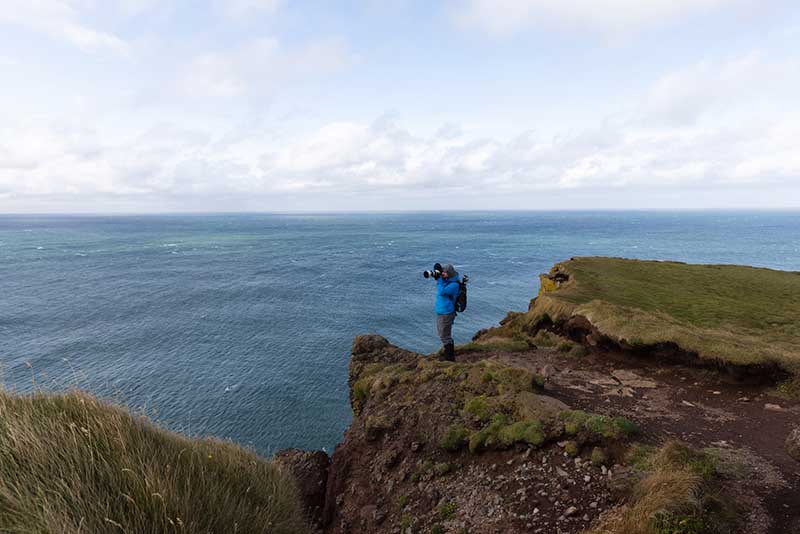
6 Days or Less
Very rushed
Only recommended for experienced travelers
7–8 Days
Fast but doable
Long days, minimal detours
9–10 Days (Best Balance)
Ideal for first-timers
Time for stops, hikes, and weather delays
11–14 Days
Relaxed, immersive
Best for photography and exploration
Final Advice: Drive Less, Experience More
Iceland rewards patience.
The best memories rarely come from ticking boxes. They come from:
-
Pulling over for an unplanned waterfall
-
Watching clouds move over mountains
-
Taking a longer lunch because the view is perfect
-
Not rushing to the next stop
If you remember one thing from this guide, make it this:
Plan fewer stops. Drive fewer hours. Enjoy more.
That’s how Iceland is meant to be experienced.
Frequently Asked Questions
How many hours should I drive per day in Iceland?
Most travelers should aim for 3–5 hours of driving per day. This allows time for stops, weather changes, and sightseeing without feeling rushed.
Is it safe to drive long distances in Iceland?
Yes, but fatigue is common. Long distances combined with wind, narrow roads, and frequent stops can be tiring. It’s best to avoid driving more than 6 hours per day.
How long does it take to drive the Ring Road?
Non-stop driving takes about 17–18 hours, but realistically you need 7–10 days to enjoy it properly.
Is 7 days enough for a self-drive trip?
Yes, but it will be fast-paced. You’ll need to limit stops and accept longer driving days.
What’s the best pace for first-time visitors?
A relaxed pace of 150–220 km per day is ideal for most first-timers.
Do I need to plan every stop in advance?
No. Over-planning often leads to stress. Leave room for spontaneous stops and weather changes.
Does weather really affect driving time?
Yes. Wind, rain, fog, and snow can significantly slow travel, even in summer.
Is driving in Iceland difficult?
Roads are generally good, but conditions can change quickly. Drive cautiously and don’t rush.
Should I get a 4x4 for my trip?
If you're planning to visit the Highlands, a 4x4 vehicle is essential. For gravel roads or travel outside the summer months, a 4x4 is strongly recommended to ensure a safe and smooth journey.
Final Thoughts
A successful Iceland road trip isn’t about distance.
It’s about rhythm.
Drive less. Stop more. Leave space for the unexpected.
That’s how you experience Iceland the right way.
And with the right pace — and the right car — your journey becomes just as memorable as the destination.