- Vehicles
- Small & Midsize Rental Cars in Iceland
- Family Rental Cars in Iceland
- Electric
- 4x4 Car Rental in Iceland
- Suzuki Jimny 4x4
- Dacia Duster 4x4
- Suzuki Vitara 4x4
- Suzuki Vitara auto 4x4
- Dacia Bigster 4x4
- Kia Sportage 4x4 Auto
- Kia Sportage PHEV 4x4 auto
- Mitsubishi Outlander PHEV 4x4 auto
- Toyota Rav4 4x4 auto
- Kia Sorento 4x4 auto
- Mercedes Benz 350 GLE PHEV 4x4 auto
- Toyota Landcruiser 150 4x4 auto
- Toyota Landcruiser 250 4x4 auto
- Landrover Discovery 5 4x4 auto
- Landrover Defender 4x4 auto
- Prestige
- Rent a Minivan in Iceland
- 4x4 Camper
- Motorhomes
- Driving in Iceland
- Services
- Locations
- Travel Inspiration
- South Iceland: A complete guide
- Reynisfjara Beach in Iceland - Your Guide to a Safe Visit
- Best Times to Visit the Golden Circle in Iceland
- North Iceland: A Complete Guide for Drivers
- East Iceland A Complete Guide for Drivers
- West Iceland The Complete Driver’s Guide
- Your Ultimate Guide to Exploring Iceland’s Ring Road
- Driving the Diamond Circle in Iceland: Your Ultimate Guide
- Driving Iceland's Golden Circle: Your Ultimate Guide
- A 10-Day Itinerary in Iceland: Tips + Ideas
- The Perfect Itinerary for 7 Days in Iceland
- The Best Time to See the Northern Lights in Iceland with a Rental Car
- Renting a Camper in Iceland: The Complete Guide
- Getting to Iceland: A Comprehensive Guide on How to Reach the Land of Fire and Ice
- Nature Bath Locations in Iceland: A Complete Guide
- Iceland with Kids: A 5-Day Self-Drive Itinerary
- Winter Driving in Iceland: A Comprehensive Overview for Foreign Tourists
- The Total Solar Eclipse in Iceland – August 12, 2026
- Exploring Iceland's National Parks on a Self-Drive Adventure
- Exploring Iceland's Wonders: A Comprehensive Guide to Activities and Car Rentals
- Springtime in Iceland – Your Comprehensive Travel Guide
- Exploring Iceland's Most Popular Highland Routes
- The Pearls of Westfjords: The Ultimate Guide
- Exploring Iceland's Hidden Gems | Off-the-Beaten-Path Adventures
- Driving in Iceland in June: Tips for a Safe and Scenic Summer Road Trip
- Driving in Iceland in July: Tips, Routes & Rentals
- Driving in Iceland in August: Late-Summer Freedom on the Open Road
- Guide to Skaftafell Iceland Self-Drive A Journey Through Fire and Ice
- Eco-Friendly Road Trips in Iceland, Sustainable Travel Tips
- Photographer’s Paradise Top Scenic Drives in Iceland for Stunning Shots
- Iceland's Folklore and Legends A Road Trip Through Mythical Sites
- Iceland’s Midnight Sun and How to Make the Most of 24-Hour Daylight
- Exploring Iceland’s Viking Heritage: Top Historical Sites
- Chasing Waterfalls: A Road Trip to Iceland’s Most Spectacular Cascades
- Iceland's Volcanic Wonders: A Self-Drive Tour of Active and Dormant Volcanoes
- Tee Off in the Land of Fire and Ice: A Guide to Golfing in Iceland
- Birdwatching in Iceland: Puffins and Beyond
- Iceland’s Diverse Beaches: Beyond the Black Sands
- Icelandic Horses: The Unique Breed of the North
- Beyond the Ring Road: Iceland’s Hidden Scenic Drives
- Iceland’s Ice Caves: A Year-Round Adventure
- Wildlife Watching in Iceland: Where and When to Go
- Iceland’s Hidden Hot Springs: A Self-Drive Guide to Secret Soaks
- Navigating Iceland’s Weather: What to Expect Each Season
- Tröllaskagi Peninsula: Iceland’s Mountainous Marvel — A Scenic Road Trip with Höldur
- Mastering Iceland's Roundabouts: A Driver’s Guide
- Essential Tips for Renting a Car in Iceland
- Navigating Iceland’s One-Lane Bridges: Your Guide to Safe and Scenic Crossings
- Exploring Iceland’s Film Locations by Rental Car
- 5 Must-Visit Destinations Within Two Hours of Keflavík Airport
- Seasonal Car Rental Tips for Iceland’s Summer Festivals
- Understanding Iceland's F-Roads: How to Drive Safely Into the Highlands
- What Makes Iceland Unique: Top 15 Highlights for an Unforgettable Journey
- Driving and Hiking in Harmony: Explore Iceland's Natural Wonders with Höldur Car Rental
- Best Car to Rent in Iceland?
- Avoiding Common Car Rental Mistakes in Iceland
- Making Your Car Rental in Iceland Child-Friendly: Tips for Stress-Free Family Travel
- Exploring Akureyri, Iceland’s Northern Gem, with EasyJet and Europcar
- Renting a Manual or Automatic Car in Iceland
- Discover the Arctic Coast Way in Iceland with Höldur Car Rental
- How to Save on Fuel Costs During Your Iceland Road Trip
- Electric vs. 4x4 Rentals in Iceland: Which is Right for Your Trip?
- Top Scenic Detours Off Iceland's Ring Road
- Top Safety Tips for First-Time Drivers on Iceland’s Roads
- Cultural Pit Stops Along Iceland’s Ring Road
- Your Guide to Exploring Stuðlagil Canyon by Car: Iceland’s Basalt Beauty Awaits
- Day Trip Ideas From Reykjavik by Rental Car
- Visit Glymur Waterfall: The Ultimate Self-Drive Adventure from Reykjavík
- Discover the Volcanic Wonders of Lake Mývatn by Car
- Discovering the Magic of Snæfellsnes Peninsula by Car
- Your Self‑Drive Guide to Gullfoss Waterfall
- A Guide to Seljalandsfoss Waterfall in Iceland: Explore by Car
- Exploring Reykjanes Peninsula A Self Drive Guide
- Exploring Iceland Landmannalaugar by 4x4
- A Beginner's Guide to River Crossings in Iceland
- Best Car Rental Offers for Iceland’s Summer Adventures
- Your Self‑Drive Guide to Þingvellir National Park
- Your Ultimate Guide to Geysir, Iceland: All You Need to Know
- How to Pay for the Vaðlaheiðargöng Tunnel
- Your Guide to Visiting Jökulsárlón Glacier Lagoon
- The Diamond Beach in Iceland: A Sparkling Wonder Worth Visiting
- Parking fines in Iceland: how to pay and what to do if you receive one
- Where to find overnight parking in Reykjavík: a local’s guide for travellers
- How to park for free in Reykjavík: tips to save on your Iceland trip
- How to pay for parking in Reykjavík - A friendly guide for drivers in Iceland
- Game of Thrones Filming Locations in Iceland: A Self-Drive Guide
- How to Choose the Right Car Rental at Keflavík Airport
- Flying Within Iceland: Your Guide to Domestic Routes and Regional Airports
- Top 3 Must-See Attractions on Iceland's Golden Circle
- Hidden Gems Along the Golden Circle Route
- Your Essential Guide to Iceland: Currency, Culture, and Car Rental Tips
- How to Plan the Perfect Golden Circle Self-Drive Tour
- The Comprehensive Guide to Rental Car Sizes at Keflavik Airport
- Húsafell & Hallmundarhraun: Hidden Lava Field Adventures by Car
- Iceland Weather by Month: What to Expect and How to Drive Safely with Holdur Car Rental
- A Guide to Iceland’s Quirky Roadside Attractions
- Exploring Iceland’s Lava Tubes | Self-Drive Cave Adventures with Höldur Car Rental
- Coolcation in Iceland: Self-Drive Your Summer Escape to the North
- Driving Iceland’s Coastal Roads: A Guide to Lesser-Known Peninsulas
- Top Tips for Driving in Iceland Safely Year-Round
- The Best Rest Stops and Viewpoints Along Iceland's Ring Road
- Driving in Iceland in September: Embrace the Autumn Adventure
- Your Guide to Exploring Fjaðrárgljúfur – South Iceland’s Fairytale Canyon
- Explore Reykholt on a Self-Drive Tour in Iceland
- How to Choose the Right Insurance for Your Iceland Car Rental
- Hiking Múlagljúfur Canyon: Iceland’s Hidden Gem You Can’t Miss
- Understanding Iceland's Weather and How It Affects Driving Conditions
- Dyrhólaey: A Complete Self-Drive Guide to Iceland's Breathtaking South Coast
- Where to See Iceland’s Tectonic Plates Up Close
- Scenic Journey on Kjalvegur Road 35 Reykjavik to Akureyri
- Guide to Visiting Svartifoss with a Rental Car
- Kerið Crater Lake in Iceland: A Self-Drive Guide
- Your Complete Guide to Stokksnes, Iceland with a Rental Car
- Hengifoss Waterfall in Iceland: The Ultimate Self-Drive Guide
- Your Complete Guide to Visiting Skógafoss Waterfall with a Rental Car
- Into the Heart of Þórsmörk: Iceland’s Valley of Thunder
- Dynjandi Waterfall in Iceland: The Ultimate Self-Drive Guide
- Visiting Ásbyrgi Canyon in North Iceland by Car: A Complete Self-Drive Guide
- Driving in Iceland in October: Embrace the Autumn Transition
- Hraunfossar: Iceland’s Hidden Gem for Self-Drive Travellers
- Barnafoss Waterfall: Iceland’s Raging Cascade with a Legend
- Driving in Iceland in November: Your Complete Guide to a Spectacular Autumn Adventure
- Fishing in Iceland: All You Need to Know
- Öxarárfoss Waterfall in Iceland: A Self-Drive Guide with Höldur
- Life in Iceland: Essential Guide to Living in the Land of Fire and Ice
- People of Iceland - 12 Fun Facts About Icelanders
- Glaumbær Turf Houses: A Self-Drive Guide to Iceland’s Living History
- Húsavík: Whale Watching Capital of Iceland
- Svínafellsjökull Glacier: A Self-Drive Guide to Iceland’s Ice Giants
- Kirkjubæjarklaustur: A Historic South Coast Gem
- Vík í Mýrdal: South Iceland’s Coastal Treasure
- Namaskard: A Self-Drive Guide to Iceland’s Geothermal Wonderland
- Laufás Heritage Site: Where Iceland’s Past Lives On
- Navigating Iceland's Gravel Roads: Tips for a Safe and Smooth Drive
- Iceland's Best Stargazing Spots for Self-Drive Travellers
- Iceland's Best Picnic Spots: Scenic Stops for Self-Drive Adventures
- Top 5 Family-Friendly Hiking Trails Accessible by Rental Car
- 15 Tips for Travelling to Iceland
- How to Plan a Winter Photography Road Trip in Iceland
- Visiting Gljúfrabúi Waterfall — A Self-Drive Guide
- How to Spot Puffins in Iceland: A Self-Drive Adventure
- Your Essential Guide to Winter Tyres and Safe Driving in Iceland
- Iceland’s Most Active Volcanoes: A Self-Drive Guide
- Iceland’s Most Scenic Bridges and River Crossings: A Self-Drive Guide
- Iceland’s Most Instagrammable Spots for Self-Drive Travellers
- How Cold Is It in Iceland During Winter? A Self-Drive Guide
- Explore Dimmuborgir: A Self-Drive Guide to Iceland's Dark Castles
- The Ultimate Guide to Iceland’s Top 5 Waterfalls by Car
- Iceland’s Best Scenic Routes for Autumn Foliage: A Self-Drive Guide
- The Best Time to Visit Iceland for Self-Drive Travellers
- Self-Drive Adventures to Iceland’s Remote Lighthouses
- Selfoss Waterfall Self-Drive Guide: Explore Iceland Your Way
- All About the Icelandic Sheep
- Vestrahorn: A Self-Drive Guide to Iceland’s Stokksnes Peninsula
- Höfn, Iceland: The Lobster Town Self-Drive Guide
- Exploring Arnarstapi: A Self-Drive Guide
- A Guide to Iceland's Seasonal Foods for Your Road Trip
- Hverfjall Crater, Iceland: A Self-Drive Guide
- Self-Drive Guide to Visiting Askja
- A Self-Drive Guide to Visiting Kerlingarfjöll
- A Self-Drive Guide to Gunnuhver Geothermal Area
- Skriduklaustur, Iceland: A Self-Drive Guide to History & Culture
- Your Ultimate Guide to Visiting the Blue Lagoon in Iceland
- Borgarnes, Iceland: Top Things to Do & Self-Drive Guide
- A Guide to Glaciers in Iceland
- Car Rental Insurance in Iceland: What’s Usually Included, What’s Not & How to Choose
- Best Car Models for Iceland’s Terrain: Recommendations by Route
- Solo Traveller’s Guide to Self-Driving in Iceland
- Exploring Iceland’s Arctic Circle: What to See and Do
- How to Plan a Budget-Friendly Road Trip in Iceland
- The History of Iceland’s National Day: A Self-Drive Celebration
- Where to Spot Whales in Iceland: A Self-Drive Guide
- The Diamond Circle vs. The Golden Circle: Which Route is Right for You?
- Embracing a Greener Journey: Sustainability in Iceland
- Granni: A Self-Drive Guide to Iceland’s Neighboring Waterfall
- Háifoss: A Self-Drive Guide to Iceland’s Tallest Waterfall
- Iceland's Best Camping Spots for Road Trippers
- Gjáin: A Self-Drive Guide to Iceland’s Hidden Oasis
- Iceland's Hidden Waterfalls: Beyond the Tourist Trails
- Hjálparfoss: A Self-Drive Guide to Iceland’s Helping Falls
- Seasonal Self-Drive Itineraries in Iceland: What’s Open When?
- Kirkjufell: A Self-Drive Guide to Iceland’s Most Photographed Mountain
- Fjallabak Nature Reserve: A Self-Drive Guide to Iceland’s Rugged Highlands
- Hrafntinnusker: A Self-Drive and Hiking Guide to Iceland’s Obsidian Wilderness
- When to Visit Iceland: Northern Lights and Ice Caves vs. Hiking and Highland Adventures
- Visiting Laugarvatn Fontana Spa with a Rental Car: A Relaxing Icelandic Getaway
- Hvítserkur Rock: A Self-Drive Guide to Iceland’s Dragon of the North
- Skiing in Iceland: A Self-Drive Guide for Winter Adventurers
- Visiting the Mývatn Nature Baths by Car: A Self-Drive Guide
- Visiting Vök Baths in East Iceland: A Self-Drive Guide
- Visiting Skútustaðir Pseudo-Craters: A Self-Drive Guide
- Visiting Hljóðaklettar: A Self-Drive Guide on the Diamond Circle
- The Ultimate Guide to Exploring Reykjavik with a Rental Car
- Visiting Seljavallalaug: A Hidden Gem in South Iceland
- Guide to Sólheimajökull Glacier by Iceland Car Rental
- Eyjafjallajökull: Iceland’s Glacier Volcano
- Ísafjörður, Iceland: Your Ultimate Self-Drive Guide to the Westfjords
- What Continent is Iceland In? A Traveler's Guide
- Katla Volcano: A Guide to Iceland's Sleeping Giant
- The Magic of Icelandic Water: A Traveler's Guide
- A Guide to Exploring Akureyri by Rental Car
- A Self-Drive Guide to the Krafla Volcanic Region
- 12-Day Iceland Self-Drive: The Complete Itinerary
- Hekla Volcano: A Self-Drive Guide to Iceland's Gateway
- Visiting Deildartunguhver: A Self-Drive Guide to Europe’s Most Powerful Hot Spring
- Exploring Borgarfjörður: A Self-Drive Guide to West Iceland
- Exploring Stórurð: A Self-Drive and Hiking Guide to East Iceland
- Visiting the Forest Lagoon in North Iceland: A Self-Drive Guide
- Driving in Iceland in December: Embrace the Winter Wonderland
- Exploring Grábrók: A Self-Drive Guide to Iceland’s Volcanic Crater
- Exploring Látrabjarg: A Self-Drive Guide to Iceland’s Westernmost Point
- Iceland Car Hire Tips for UK Drivers: What You Need to Know
- 4-Day Iceland Winter Itinerary: The Best of the South
- Mount Mælifell: Iceland’s Emerald Volcano
- How Long to Drive Around Iceland? A Self-Drive Guide
- Driving in Iceland in January
- Exploring Djúpavík: A Self-Drive Guide to Iceland’s Remote Westfjords
- What to Wear in Iceland: Tips for Every Season
- Things to Do in Stykkishólmur: A Self-Drive Adventure Through Iceland’s Magical West
- The Secret Lagoon: Iceland’s Hidden Gem of Relaxation and Discovery
- The Silver Circle of Borgarfjörður: Your Ultimate Self-Drive Guide
- Snæfellsjökull: A Journey to Iceland’s Glacier of Legends
- Car Rental Iceland 4x4: Best 4WD Options for Your Trip
- What to See in Iceland: 20 Places You Don’t Want to Miss
- How to Prepare for an Iceland Road Trip
- Your Guide to Visiting Fagrifoss Waterfall by Car
- Exploring Stakkholtsgjá Canyon: A Self-Drive Adventure in Iceland
- Kolugljúfur Canyon: A Guide to Iceland's Hidden Gem
- Exploring Kvernufoss: A Hidden Gem in South Iceland
- Skógar Museum: A Journey Through Iceland's History
- 2 Days in Iceland: The Perfect Itinerary
- Exploring Berserkjahraun: A Self-Drive Guide to Iceland’s Lava Fields
- Driving in Iceland in February: Your Complete Guide
- Iceland Daylight Hours by Month: Planning Your Trip
- Petra’s Stone Collection: A Self-Drive Gem in East Iceland
- Iceland's New Kilometer-Based Road Tax: Everything You Need to Know
- Krýsuvíkurbjarg Cliffs: Self-Drive Guide to Iceland’s Wild Coast
- Brimketill: The Reykjanes Peninsula’s Natural Lava Pool
- Exploring Eldhraun Lava Field: A Self-Drive Guide to Iceland’s Volcanic Marvel
- Iceland 2026 Car Rental Guide
- Choosing the Best 4x4 for Iceland's Westfjords
- How Sagas and History Shape Iceland's Driving Routes
- Driving in Iceland After Dark: How to Plan Safe Evening & Night Drives
- What to Do When Roads Close in Iceland: A Traveller’s Plan B Guide
- Iceland With a 2WD Only: No‑Gravel, No F‑Road Itineraries
- Iceland Through the Windshield: Landscapes You’ll See Without Leaving the Car
- Iceland EV Road Trips Made Easy (2026 Guide)
- Iceland Speed Cameras & Fines: The 2026 Driver’s Guide for Visitors
- 24 Hours in Iceland (KEF Layover): Two Seasonal Micro-Itineraries by Car
- Self-Drive Iceland for First-Timers: A Realistic Day-by-Day Pace Guide
- The Complete Self-Drive Guide to Fjallsárlón Glacier Lagoon
- Route 60 Westfjords Road Trip: Dynjandi, Þingeyri & New Tunnels Explained
- Baldur Ferry With a Rental Car: Stykkishólmur ↔ Brjánslækur
- Iceland at Easter: 5‑Day Self‑Drive Itinerary from KEF
- Westman Islands by Rental Car + Ferry: Day Trip from the South Coast
- Reykjavík Northern Lights Pull-Outs: Safe Self-Drive Spots within 45 Minutes of the Capital
- Staying Connected: Best SIM Cards and Wi-Fi Options for Your Iceland Road Trip
- The "Gas & Go" Logistics Guide: How to Pay for Gas in Iceland Without Getting Stranded
- Iceland Wind Guide for Drivers
- Fjallsárlón vs Jökulsárlón: Which Glacier Lagoon to Visit by Car?
- Iceland Road Conditions by Region (What to Expect Beyond Weather)
- Iceland’s Best Scenic Loops
- Iceland for Everyone: Accessible Natural Wonders by Car
- Iceland’s Most Photogenic Churches: A Scenic Architectural Drive
- Driving in Iceland in March: Weather, Daylight & Safe Itineraries (2026)
- Go / No-Go: A Driver’s Playbook for Using Road.is, Veður & SafeTravel Before You Set Off
- How to Plan a 3-Day Self-Drive Adventure in Iceland’s Highlands
- Driving in Iceland in April: Weather, Daylight & Safe Itineraries
- One-Way Car Rental in Iceland: Keflavik to Akureyri
- The Arctic Henge & Langanes: Driving Northeast Iceland’s Remote Edge
- Driving in Iceland in May: Late-Spring Conditions, Puffins & Ring Road Plans
- Driving in Iceland in June: 2026 Update
- 2 Days on Iceland's South Coast: The Ideal Self-Drive Itinerary
- Iceland Road Trip Packing List by Season: What to Keep in Your Rental Car
- The Ultimate Iceland Road Trip Grocery Guide: Where to Shop and How to Save
Iceland Nature
Krýsuvíkurbjarg Cliffs: Self-Drive Guide to Iceland’s Wild Coast
22.12.2025
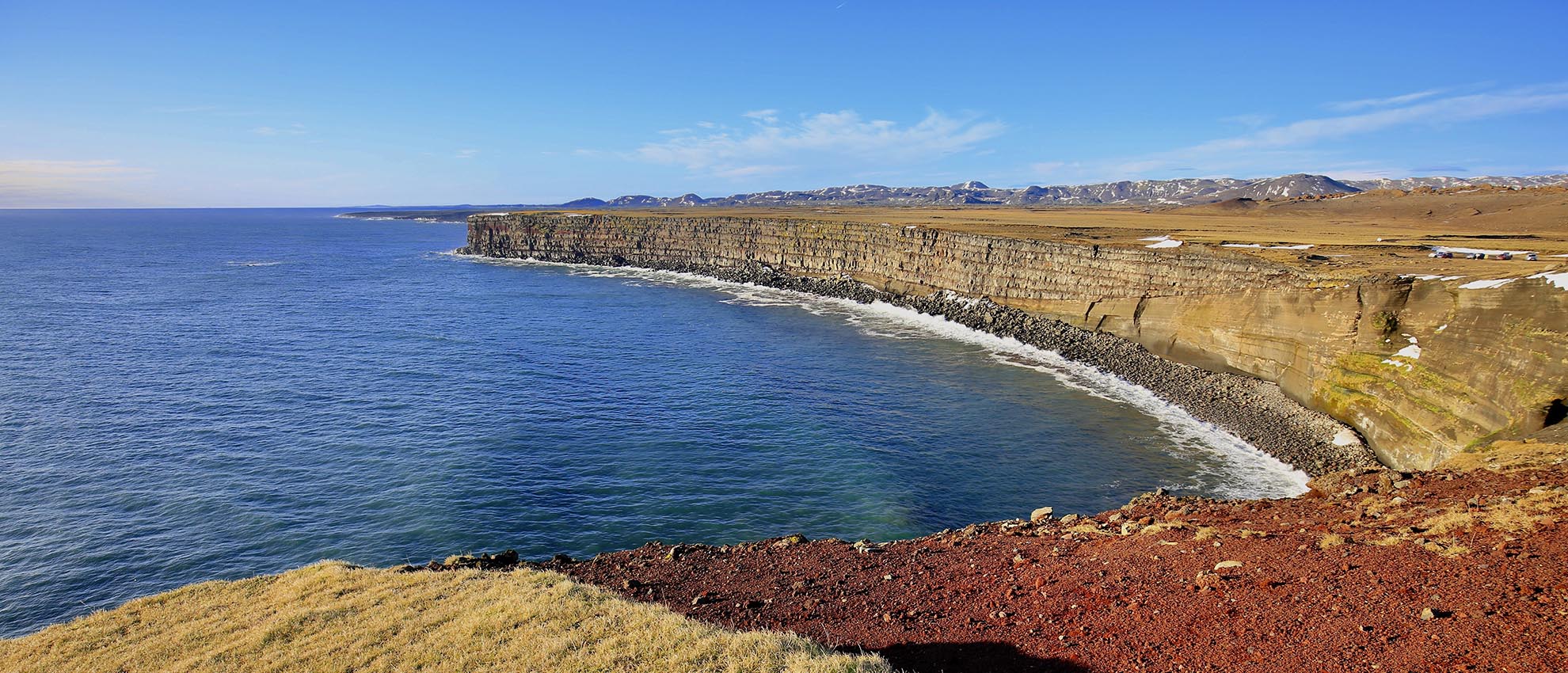
Imagine standing on the edge of the world, where the roar of the Atlantic meets the silence of Iceland’s volcanic wilderness. This is Krýsuvíkurbjarg. Towering above the ocean on the Reykjanes Peninsula, these dramatic sea cliffs offer raw landscapes, nesting seabirds, volcanic terrain, and a profound sense of isolation.
For travelers exploring Iceland by car, Krýsuvíkurbjarg is a rewarding and often overlooked stop. It is the perfect destination for those who want to go beyond the famous highlights and experience something quieter, wilder, and deeply atmospheric.
This in-depth self-drive guide helps you plan a safe, memorable visit to Krýsuvíkurbjarg. From driving directions and road expectations to wildlife spotting, photography tips, and practical advice for international visitors, consider this your trusted companion for exploring one of Reykjanes’ most dramatic coastal locations.
Where Are the Krýsuvíkurbjarg Cliffs?
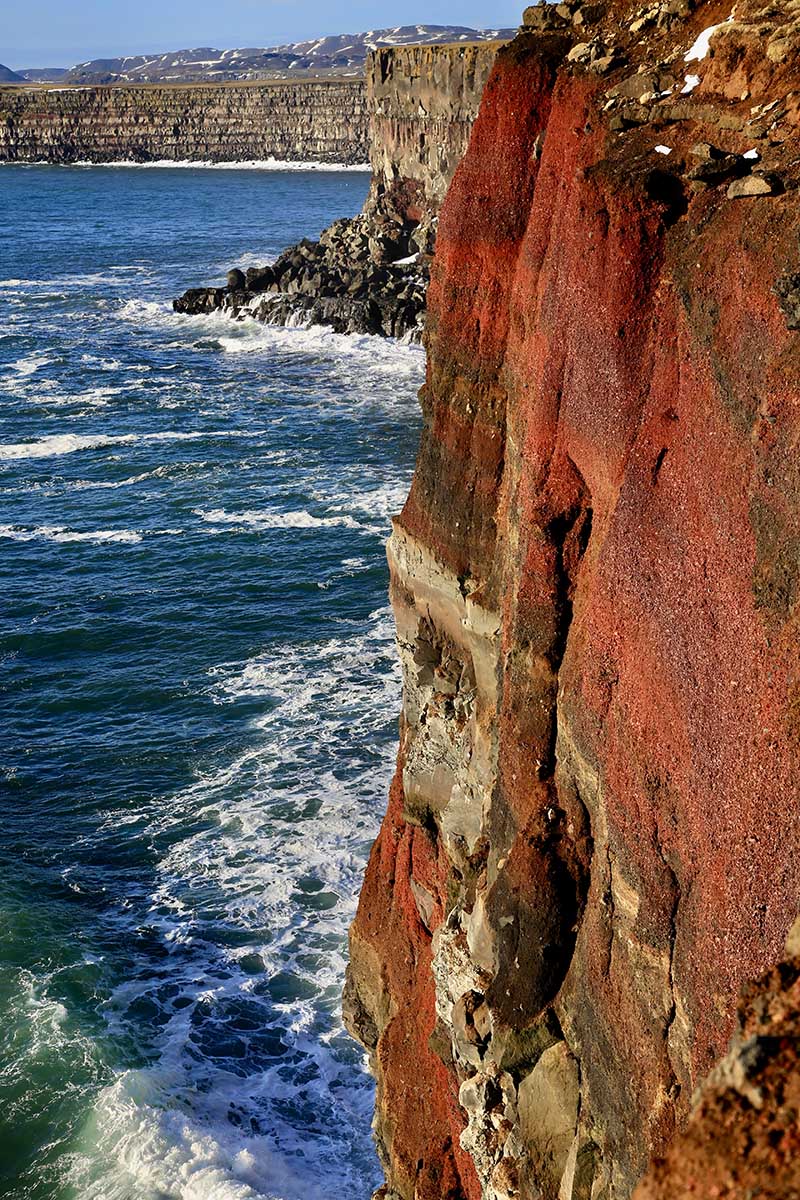
Krýsuvíkurbjarg is located on the southern edge of the Reykjanes Peninsula in southwest Iceland, roughly a 45–50 minute drive from Reykjavík. The cliffs stretch extensively along the coast between the geothermal area of Krýsuvík (also known as Seltún) and the remote coastline facing the North Atlantic.
A Hidden Gem
Unlike many of Iceland’s headline attractions, Krýsuvíkurbjarg is not marked by large visitor centers or tour buses. That is part of its charm. This is a place where nature leads and visitors follow—carefully and respectfully.
Geological Significance
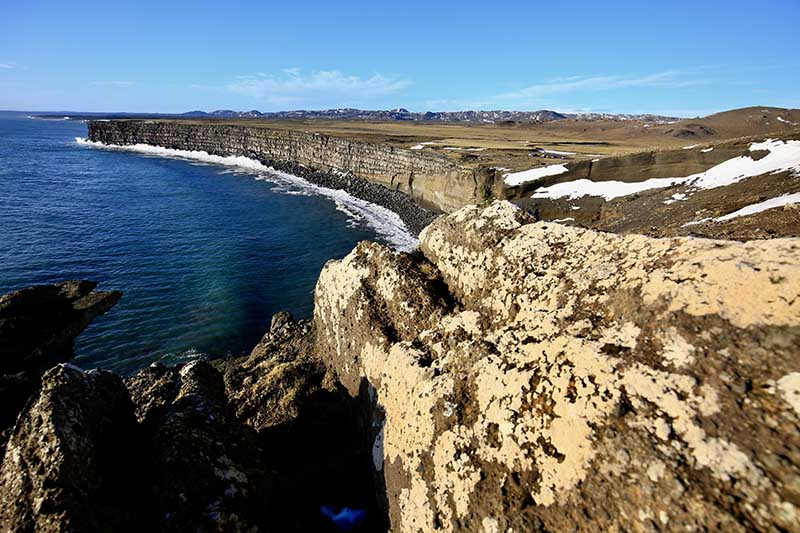
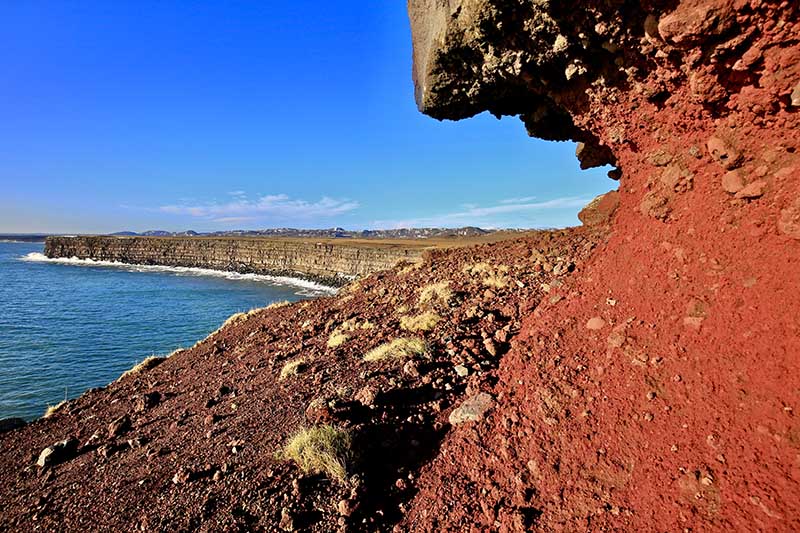
The area lies within a geologically active zone shaped by volcanic eruptions, shifting tectonic plates, and centuries of erosion from wind and sea. The result is a rugged, ever-changing landscape where bright green moss-covered lava fields meet sheer cliffs plunging into the churning ocean below.
Why Visit Krýsuvíkurbjarg on a Self-Drive Trip?
Exploring Krýsuvíkurbjarg is best done by car. Public transport does not reach the cliffs, and guided tours rarely stop here. A self-drive guide to Iceland isn’t complete without mentioning the freedom this mode of travel provides.
Driving yourself allows you to:
- Travel at your own pace: Linger as long as you like to watch the birds or waves.
- Combine locations: Easily pair the cliffs with nearby Reykjanes Peninsula attractions.
- Photograph freely: Stop safely whenever the light hits the landscape just right.
- Escape the crowds: Experience a quieter side of Iceland away from the Golden Circle masses.
Driving also allows you to adapt to weather conditions—an important consideration on this exposed stretch of coast. For travelers who enjoy scenic routes, dramatic viewpoints, and places that feel undiscovered, Krýsuvíkurbjarg delivers a deeply rewarding experience.
How to Get to Krýsuvíkurbjarg Cliffs
Reaching these Iceland sea cliffs requires a bit of navigation, but the journey is part of the adventure.
Driving Directions from Reykjavík
- Leave Reykjavík heading south on Route 41 (towards Keflavík Airport).
- After approximately 20 minutes, turn onto Route 42 towards Krýsuvík.
- Follow Route 42 as it winds through stunning lava fields and geothermal landscapes.
- Continue past the Seltún geothermal area.
- Look for gravel roads leading towards the coast; the final stretch involves rough gravel tracks.
Vehicle Recommendations
The roads leading directly to the cliff edge are not paved.
- Clearance Matters: A reliable car with good ground clearance is strongly recommended.
- 4x4 Advantage: While a full 4x4 is not always essential in peak summer, it provides added confidence and comfort, especially after rain or during shoulder seasons.
- Check Conditions: Always check road conditions on umferdin.is before setting off, and avoid driving in poor visibility or high winds.
What Makes Krýsuvíkurbjarg Special?
Dramatic Sea Cliffs
The cliffs rise like jagged sentinels above the ocean, where the thunderous crash of waves echoes against the volcanic rock. The scale is humbling. On clear days, you can watch the Atlantic swell roll in endlessly, while seabirds glide effortlessly on coastal winds.
Seabird Colonies
Krýsuvíkurbjarg is one of the most important bird cliffs in southwest Iceland. During late spring and summer, the cliffs transform into a bustling city of seabirds. You can expect to see:
- Kittiwakes
- Guillemots
- Razorbills
- Fulmars
The sound alone—a constant, raucous chorus carried on the salt spray—makes the experience unforgettable.
Untouched Atmosphere
There are no cafés, shops, or barriers here. The lack of infrastructure preserves the sense of wilderness. It also means visitors must act responsibly. Without guardrails, your safety depends entirely on your awareness and caution.
Safety at the Cliffs: What You Need to Know
Krýsuvíkurbjarg is stunning, but it demands respect. The environment is raw and unforgiving.
- Mind the Edge: Stay well back from cliff edges. Erosion can make the ground unstable and prone to collapse without warning.
- Respect the Wind: Strong gusts are common and unpredictable. They can easily unbalance an adult.
- Supervise Others: Keep children and pets under close control at all times.
- Stay High: Never attempt to climb down the cliffs.
- Stick to Tracks: Avoid driving off established tracks to protect the fragile moss and soil.
Best Time to Visit Krýsuvíkurbjarg
Timing your visit correctly ensures safer driving conditions and better views.
Summer (June–August)
This is the most popular and accessible time to visit.
- Birdlife is at its peak activity.
- Roads are generally clear and dry.
- The Midnight Sun offers long daylight hours for flexible timing.
Shoulder Seasons (May & September)
These months offer fewer visitors and dramatic, moody lighting, which is ideal for photography. Be prepared for rapidly changing weather and check road conditions carefully before departing.
Winter (October–April)
Winter visits are generally not recommended unless conditions are exceptionally good and you are experienced with winter driving in Iceland. Snow, ice, and high winds make the area hazardous and the approach roads difficult to navigate.
Photography Tips for Krýsuvíkurbjarg
Capturing the essence of these Iceland sea cliffs requires some preparation.
- Wide-Angle Lens: Use a wide lens to capture the immense scale of the cliffs against the ocean.
- Telephoto Lens: Essential for isolating seabirds on their nests or in flight without disturbing them.
- Golden Hour: Early morning or late evening offers softer light and fewer harsh shadows.
- Secure Gear: Strong winds can easily knock over tripods. Always weigh them down or hold them steady.
- Safety First: Remember, no photo is worth stepping too close to the edge.
Practical Tips for International Visitors
If you are visiting from abroad, here are a few logistics to help your trip run smoothly.
- Currency: Iceland uses the Icelandic Króna (ISK), but credit and debit cards are widely accepted almost everywhere, including gas stations.
- Weather Apps: Download our app ant stay updated with real-time weather alerts and notifications.
- SafeTravel: Use the SafeTravel.is app to submit your travel plan and get safety alerts.
- Car Rental: When renting a vehicle, consider adding gravel protection insurance. The loose stones on the approach to Krýsuvíkurbjarg can easily chip paint or windshields.
Nearby Attractions to Combine with Your Drive
Krýsuvíkurbjarg fits beautifully into a broader itinerary of Reykjanes Peninsula attractions.
Seltún Geothermal Area
Just minutes away, Seltún offers a stark contrast to the blue ocean. Walk amongst bubbling mud pools, steaming vents, and colorful mineral deposits painted in shades of yellow, red, and green.
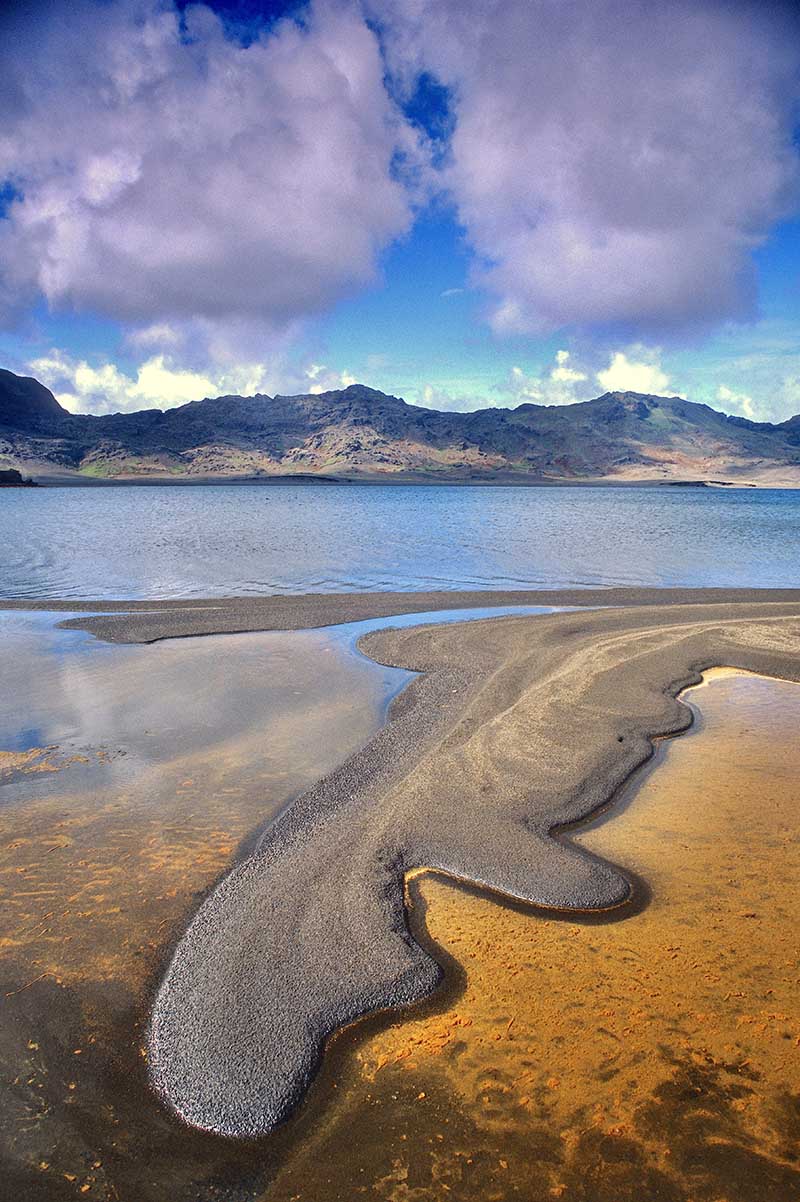
Kleifarvatn Lake
A dramatic volcanic lake surrounded by black lava sand and steep hillsides. It is an ideal spot for a short scenic walk or a quiet moment of reflection.
Brimketill Lava Rock Pool
A striking coastal formation carved by the relentless ocean. Brimketill showcases the raw power of the sea as waves crash over the natural lava basin.
Sustainable Travel at Krýsuvíkurbjarg
This fragile environment depends on responsible visitors to survive.
- Stick to existing tracks to prevent soil erosion.
- Do not disturb wildlife, especially nesting birds.
- Take all rubbish with you. Leave no trace of your visit.
- Avoid trampling moss. Moss-covered lava takes decades to recover from footsteps.
Is Krýsuvíkurbjarg Worth Visiting?
If you value dramatic scenery, quiet moments in nature, and the freedom of the open road, the answer is a resounding yes. Krýsuvíkurbjarg is not about ticking off a checklist—it is about standing still, listening to the wind, and feeling Iceland’s elemental power.
Krýsuvíkurbjarg isn’t just a destination—it’s a feeling. It’s the wind in your hair, the call of seabirds, and the humbling realization that you’re standing on the edge of something vast and untamed. Let it remind you why you travel.
Frequently Asked Questions About Krýsuvíkurbjarg Cliffs
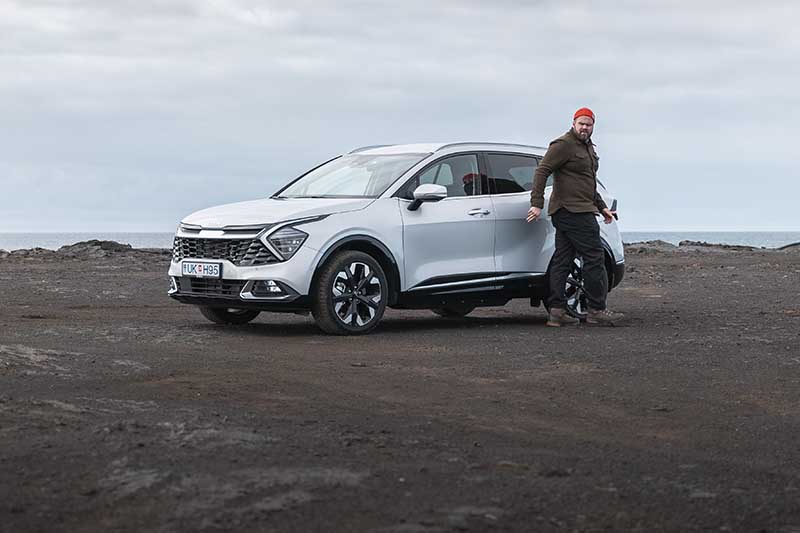
Do I need a 4x4 to visit Krýsuvíkurbjarg?
A 4x4 is recommended, especially outside peak summer. While some visitors reach the area in a standard car during good conditions, the gravel roads can be rough, and weather can change quickly.
Is there a car park at Krýsuvíkurbjarg?
There is no formal paved car park. Visitors typically park carefully along designated gravel areas near the cliffs. Never block the road or drive off established tracks onto the vegetation.
How long should I spend at Krýsuvíkurbjarg?
Most travelers spend 30–60 minutes at the cliffs, depending on weather, bird activity, and photography interests.
Are the cliffs suitable for children?
Extreme caution is required. There are no safety barriers, and strong winds are common. Children should be kept close at all times and never allowed near the edge.
Can I visit Krýsuvíkurbjarg year-round?
Access is highly weather-dependent. Summer is best. Winter visits are only advisable in exceptional conditions with proper experience and a suitable vehicle.
Is Krýsuvíkurbjarg crowded?
Compared to Iceland’s major attractions, Krýsuvíkurbjarg remains relatively quiet, especially outside peak summer hours, offering a peaceful escape.
Ready to Experience the Wild Coast?
Pack your camera, check the weather, and rent a vehicle capable of handling the adventure. The wild coast of the Reykjanes Peninsula is waiting for you.