- Vehicles
- Small & Midsize Rental Cars in Iceland
- Family Rental Cars in Iceland
- Rent electric car in iceland
- 4x4 Car Rental in Iceland
- Suzuki Jimny 4x4
- Dacia Duster 4x4
- Suzuki Vitara 4x4
- Suzuki Vitara auto 4x4
- Dacia Bigster 4x4
- Kia Sportage 4x4 Auto
- Kia Sportage PHEV 4x4 auto
- Mitsubishi Outlander PHEV 4x4 auto
- Toyota Rav4 4x4 auto
- Kia Sorento 4x4 auto
- Mercedes Benz 350 GLE PHEV 4x4 auto
- Toyota Landcruiser 150 4x4 auto
- Toyota Landcruiser 250 4x4 auto
- Landrover Discovery 5 4x4 auto
- Landrover Defender 4x4 auto
- Prestige
- Rent a Minivan in Iceland
- 4x4 Camper
- Motorhomes
- Driving in Iceland
- Services
- Locations
- Travel Inspiration
- South Iceland: A complete guide
- Reynisfjara Beach in Iceland - Your Guide to a Safe Visit
- Best Times to Visit the Golden Circle in Iceland
- North Iceland: A Complete Guide for Drivers
- East Iceland A Complete Guide for Drivers
- West Iceland The Complete Driver’s Guide
- Your Ultimate Guide to Exploring Iceland’s Ring Road
- Driving the Diamond Circle in Iceland: Your Ultimate Guide
- Driving Iceland's Golden Circle: Your Ultimate Guide
- A 10-Day Itinerary in Iceland: Tips + Ideas
- The Perfect Itinerary for 7 Days in Iceland
- The Best Time to See the Northern Lights in Iceland with a Rental Car
- Renting a Camper in Iceland: The Complete Guide
- Getting to Iceland: A Comprehensive Guide on How to Reach the Land of Fire and Ice
- Nature Bath Locations in Iceland: A Complete Guide
- Iceland with Kids: A 5-Day Self-Drive Itinerary
- Winter Driving in Iceland: A Comprehensive Overview for Foreign Tourists
- The Total Solar Eclipse in Iceland – August 12, 2026
- Exploring Iceland's National Parks on a Self-Drive Adventure
- Exploring Iceland's Wonders: A Comprehensive Guide to Activities and Car Rentals
- Springtime in Iceland – Your Comprehensive Travel Guide
- Exploring Iceland's Most Popular Highland Routes
- The Pearls of Westfjords: The Ultimate Guide
- Exploring Iceland's Hidden Gems | Off-the-Beaten-Path Adventures
- Driving in Iceland in June: Tips for a Safe and Scenic Summer Road Trip
- Driving in Iceland in July: Tips, Routes & Rentals
- Driving in Iceland in August: Late-Summer Freedom on the Open Road
- Guide to Skaftafell Iceland Self-Drive A Journey Through Fire and Ice
- Eco-Friendly Road Trips in Iceland, Sustainable Travel Tips
- Photographer’s Paradise Top Scenic Drives in Iceland for Stunning Shots
- Iceland's Folklore and Legends A Road Trip Through Mythical Sites
- Iceland’s Midnight Sun and How to Make the Most of 24-Hour Daylight
- Exploring Iceland’s Viking Heritage: Top Historical Sites
- Chasing Waterfalls: A Road Trip to Iceland’s Most Spectacular Cascades
- Iceland's Volcanic Wonders: A Self-Drive Tour of Active and Dormant Volcanoes
- Tee Off in the Land of Fire and Ice: A Guide to Golfing in Iceland
- Birdwatching in Iceland: Puffins and Beyond
- Iceland’s Diverse Beaches: Beyond the Black Sands
- Icelandic Horses: The Unique Breed of the North
- Beyond the Ring Road: Iceland’s Hidden Scenic Drives
- Iceland’s Ice Caves: A Year-Round Adventure
- Wildlife Watching in Iceland: Where and When to Go
- Iceland’s Hidden Hot Springs: A Self-Drive Guide to Secret Soaks
- Navigating Iceland’s Weather: What to Expect Each Season
- Tröllaskagi Peninsula: Iceland’s Mountainous Marvel — A Scenic Road Trip with Höldur
- Mastering Iceland's Roundabouts: A Driver’s Guide
- Essential Tips for Renting a Car in Iceland
- Navigating Iceland’s One-Lane Bridges: Your Guide to Safe and Scenic Crossings
- Exploring Iceland’s Film Locations by Rental Car
- 5 Must-Visit Destinations Within Two Hours of Keflavík Airport
- Seasonal Car Rental Tips for Iceland’s Summer Festivals
- Understanding Iceland's F-Roads: How to Drive Safely Into the Highlands
- What Makes Iceland Unique: Top 15 Highlights for an Unforgettable Journey
- Driving and Hiking in Harmony: Explore Iceland's Natural Wonders with Höldur Car Rental
- Best Car to Rent in Iceland?
- Avoiding Common Car Rental Mistakes in Iceland
- Making Your Car Rental in Iceland Child-Friendly: Tips for Stress-Free Family Travel
- Exploring Akureyri, Iceland’s Northern Gem, with EasyJet and Europcar
- Renting a Manual or Automatic Car in Iceland
- Discover the Arctic Coast Way in Iceland with Höldur Car Rental
- How to Save on Fuel Costs During Your Iceland Road Trip
- Electric vs. 4x4 Rentals in Iceland: Which is Right for Your Trip?
- Top Scenic Detours Off Iceland's Ring Road
- Top Safety Tips for First-Time Drivers on Iceland’s Roads
- Cultural Pit Stops Along Iceland’s Ring Road
- Your Guide to Exploring Stuðlagil Canyon by Car: Iceland’s Basalt Beauty Awaits
- Day Trip Ideas From Reykjavik by Rental Car
- Visit Glymur Waterfall: The Ultimate Self-Drive Adventure from Reykjavík
- Discover the Volcanic Wonders of Lake Mývatn by Car
- Discovering the Magic of Snæfellsnes Peninsula by Car
- Your Self‑Drive Guide to Gullfoss Waterfall
- A Guide to Seljalandsfoss Waterfall in Iceland: Explore by Car
- Exploring Reykjanes Peninsula A Self Drive Guide
- Exploring Iceland Landmannalaugar by 4x4
- A Beginner's Guide to River Crossings in Iceland
- Best Car Rental Offers for Iceland’s Summer Adventures
- Your Self‑Drive Guide to Þingvellir National Park
- Your Ultimate Guide to Geysir, Iceland: All You Need to Know
- How to Pay for the Vaðlaheiðargöng Tunnel
- Your Guide to Visiting Jökulsárlón Glacier Lagoon
- The Diamond Beach in Iceland: A Sparkling Wonder Worth Visiting
- Parking fines in Iceland: how to pay and what to do if you receive one
- Where to find overnight parking in Reykjavík: a local’s guide for travellers
- How to park for free in Reykjavík: tips to save on your Iceland trip
- How to pay for parking in Reykjavík - A friendly guide for drivers in Iceland
- Game of Thrones Filming Locations in Iceland: A Self-Drive Guide
- How to Choose the Right Car Rental at Keflavík Airport
- Flying Within Iceland: Your Guide to Domestic Routes and Regional Airports
- Top 3 Must-See Attractions on Iceland's Golden Circle
- Hidden Gems Along the Golden Circle Route
- Your Essential Guide to Iceland: Currency, Culture, and Car Rental Tips
- How to Plan the Perfect Golden Circle Self-Drive Tour
- The Comprehensive Guide to Rental Car Sizes at Keflavik Airport
- Húsafell & Hallmundarhraun: Hidden Lava Field Adventures by Car
- Iceland Weather by Month: What to Expect and How to Drive Safely with Holdur Car Rental
- A Guide to Iceland’s Quirky Roadside Attractions
- Exploring Iceland’s Lava Tubes | Self-Drive Cave Adventures with Höldur Car Rental
- Coolcation in Iceland: Self-Drive Your Summer Escape to the North
- Driving Iceland’s Coastal Roads: A Guide to Lesser-Known Peninsulas
- Top Tips for Driving in Iceland Safely Year-Round
- The Best Rest Stops and Viewpoints Along Iceland's Ring Road
- Driving in Iceland in September: Embrace the Autumn Adventure
- Your Guide to Exploring Fjaðrárgljúfur – South Iceland’s Fairytale Canyon
- Explore Reykholt on a Self-Drive Tour in Iceland
- How to Choose the Right Insurance for Your Iceland Car Rental
- Hiking Múlagljúfur Canyon: Iceland’s Hidden Gem You Can’t Miss
- Understanding Iceland's Weather and How It Affects Driving Conditions
- Dyrhólaey: A Complete Self-Drive Guide to Iceland's Breathtaking South Coast
- Where to See Iceland’s Tectonic Plates Up Close
- Scenic Journey on Kjalvegur Road 35 Reykjavik to Akureyri
- Guide to Visiting Svartifoss with a Rental Car
- Kerið Crater Lake in Iceland: A Self-Drive Guide
- Your Complete Guide to Stokksnes, Iceland with a Rental Car
- Hengifoss Waterfall in Iceland: The Ultimate Self-Drive Guide
- Your Complete Guide to Visiting Skógafoss Waterfall with a Rental Car
- Into the Heart of Þórsmörk: Iceland’s Valley of Thunder
- Dynjandi Waterfall in Iceland: The Ultimate Self-Drive Guide
- Visiting Ásbyrgi Canyon in North Iceland by Car: A Complete Self-Drive Guide
- Driving in Iceland in October: Embrace the Autumn Transition
- Hraunfossar: Iceland’s Hidden Gem for Self-Drive Travellers
- Barnafoss Waterfall: Iceland’s Raging Cascade with a Legend
- Driving in Iceland in November: Your Complete Guide to a Spectacular Autumn Adventure
- Fishing in Iceland: All You Need to Know
- Öxarárfoss Waterfall in Iceland: A Self-Drive Guide with Höldur
- Life in Iceland: Essential Guide to Living in the Land of Fire and Ice
- People of Iceland - 12 Fun Facts About Icelanders
- Glaumbær Turf Houses: A Self-Drive Guide to Iceland’s Living History
- Húsavík: Whale Watching Capital of Iceland
- Svínafellsjökull Glacier: A Self-Drive Guide to Iceland’s Ice Giants
- Kirkjubæjarklaustur: A Historic South Coast Gem
- Vík í Mýrdal: South Iceland’s Coastal Treasure
- Namaskard: A Self-Drive Guide to Iceland’s Geothermal Wonderland
- Laufás Heritage Site: Where Iceland’s Past Lives On
- Navigating Iceland's Gravel Roads: Tips for a Safe and Smooth Drive
- Iceland's Best Stargazing Spots for Self-Drive Travellers
- Iceland's Best Picnic Spots: Scenic Stops for Self-Drive Adventures
- Top 5 Family-Friendly Hiking Trails Accessible by Rental Car
- 15 Tips for Travelling to Iceland
- How to Plan a Winter Photography Road Trip in Iceland
- Visiting Gljúfrabúi Waterfall — A Self-Drive Guide
- How to Spot Puffins in Iceland: A Self-Drive Adventure
- Your Essential Guide to Winter Tyres and Safe Driving in Iceland
- Iceland’s Most Active Volcanoes: A Self-Drive Guide
- Iceland’s Most Scenic Bridges and River Crossings: A Self-Drive Guide
- Iceland’s Most Instagrammable Spots for Self-Drive Travellers
- How Cold Is It in Iceland During Winter? A Self-Drive Guide
- Explore Dimmuborgir: A Self-Drive Guide to Iceland's Dark Castles
- The Ultimate Guide to Iceland’s Top 5 Waterfalls by Car
- Iceland’s Best Scenic Routes for Autumn Foliage: A Self-Drive Guide
- The Best Time to Visit Iceland for Self-Drive Travellers
- Self-Drive Adventures to Iceland’s Remote Lighthouses
- Selfoss Waterfall Self-Drive Guide: Explore Iceland Your Way
- All About the Icelandic Sheep
- Vestrahorn: A Self-Drive Guide to Iceland’s Stokksnes Peninsula
- Höfn, Iceland: The Lobster Town Self-Drive Guide
- Exploring Arnarstapi: A Self-Drive Guide
- A Guide to Iceland's Seasonal Foods for Your Road Trip
- Hverfjall Crater, Iceland: A Self-Drive Guide
- Self-Drive Guide to Visiting Askja
- A Self-Drive Guide to Visiting Kerlingarfjöll
- A Self-Drive Guide to Gunnuhver Geothermal Area
- Skriduklaustur, Iceland: A Self-Drive Guide to History & Culture
- Your Ultimate Guide to Visiting the Blue Lagoon in Iceland
- Borgarnes, Iceland: Top Things to Do & Self-Drive Guide
- A Guide to Glaciers in Iceland
- Car Rental Insurance in Iceland: What’s Usually Included, What’s Not & How to Choose
- Best Car Models for Iceland’s Terrain: Recommendations by Route
- Solo Traveller’s Guide to Self-Driving in Iceland
- Exploring Iceland’s Arctic Circle: What to See and Do
- How to Plan a Budget-Friendly Road Trip in Iceland
- The History of Iceland’s National Day: A Self-Drive Celebration
- Where to Spot Whales in Iceland: A Self-Drive Guide
- The Diamond Circle vs. The Golden Circle: Which Route is Right for You?
- Embracing a Greener Journey: Sustainability in Iceland
- Granni: A Self-Drive Guide to Iceland’s Neighboring Waterfall
- Háifoss: A Self-Drive Guide to Iceland’s Tallest Waterfall
- Iceland's Best Camping Spots for Road Trippers
- Gjáin: A Self-Drive Guide to Iceland’s Hidden Oasis
- Iceland's Hidden Waterfalls: Beyond the Tourist Trails
- Hjálparfoss: A Self-Drive Guide to Iceland’s Helping Falls
- Seasonal Self-Drive Itineraries in Iceland: What’s Open When?
- Kirkjufell: A Self-Drive Guide to Iceland’s Most Photographed Mountain
- Fjallabak Nature Reserve: A Self-Drive Guide to Iceland’s Rugged Highlands
- Hrafntinnusker: A Self-Drive and Hiking Guide to Iceland’s Obsidian Wilderness
- When to Visit Iceland: Northern Lights and Ice Caves vs. Hiking and Highland Adventures
- Visiting Laugarvatn Fontana Spa with a Rental Car: A Relaxing Icelandic Getaway
- Hvítserkur Rock: A Self-Drive Guide to Iceland’s Dragon of the North
- Skiing in Iceland: A Self-Drive Guide for Winter Adventurers
- Visiting the Mývatn Nature Baths by Car: A Self-Drive Guide
- Visiting Vök Baths in East Iceland: A Self-Drive Guide
- Visiting Skútustaðir Pseudo-Craters: A Self-Drive Guide
- Visiting Hljóðaklettar: A Self-Drive Guide on the Diamond Circle
- The Ultimate Guide to Exploring Reykjavik with a Rental Car
- Visiting Seljavallalaug: A Hidden Gem in South Iceland
- Guide to Sólheimajökull Glacier by Iceland Car Rental
- Eyjafjallajökull: Iceland’s Glacier Volcano
- Ísafjörður, Iceland: Your Ultimate Self-Drive Guide to the Westfjords
- What Continent is Iceland In? A Traveler's Guide
- Katla Volcano: A Guide to Iceland's Sleeping Giant
- The Magic of Icelandic Water: A Traveler's Guide
- A Guide to Exploring Akureyri by Rental Car
- A Self-Drive Guide to the Krafla Volcanic Region
- 12-Day Iceland Self-Drive: The Complete Itinerary
- Hekla Volcano: A Self-Drive Guide to Iceland's Gateway
- Visiting Deildartunguhver: A Self-Drive Guide to Europe’s Most Powerful Hot Spring
- Exploring Borgarfjörður: A Self-Drive Guide to West Iceland
- Exploring Stórurð: A Self-Drive and Hiking Guide to East Iceland
- Visiting the Forest Lagoon in North Iceland: A Self-Drive Guide
- Driving in Iceland in December: Embrace the Winter Wonderland
- Exploring Grábrók: A Self-Drive Guide to Iceland’s Volcanic Crater
- Exploring Látrabjarg: A Self-Drive Guide to Iceland’s Westernmost Point
- Iceland Car Hire Tips for UK Drivers: What You Need to Know
- 4-Day Iceland Winter Itinerary: The Best of the South
- Mount Mælifell: Iceland’s Emerald Volcano
- How Long to Drive Around Iceland? A Self-Drive Guide
- Driving in Iceland in January
- Exploring Djúpavík: A Self-Drive Guide to Iceland’s Remote Westfjords
- What to Wear in Iceland: Tips for Every Season
- Things to Do in Stykkishólmur: A Self-Drive Adventure Through Iceland’s Magical West
- The Secret Lagoon: Iceland’s Hidden Gem of Relaxation and Discovery
- The Silver Circle of Borgarfjörður: Your Ultimate Self-Drive Guide
- Snæfellsjökull: A Journey to Iceland’s Glacier of Legends
- Car Rental Iceland 4x4: Best 4WD Options for Your Trip
- What to See in Iceland: 20 Places You Don’t Want to Miss
- How to Prepare for an Iceland Road Trip
- Your Guide to Visiting Fagrifoss Waterfall by Car
- Exploring Stakkholtsgjá Canyon: A Self-Drive Adventure in Iceland
- Kolugljúfur Canyon: A Guide to Iceland's Hidden Gem
- Exploring Kvernufoss: A Hidden Gem in South Iceland
- Skógar Museum: A Journey Through Iceland's History
- 2 Days in Iceland: The Perfect Itinerary
- Exploring Berserkjahraun: A Self-Drive Guide to Iceland’s Lava Fields
- Driving in Iceland in February: Your Complete Guide
- Iceland Daylight Hours by Month: Planning Your Trip
- Petra’s Stone Collection: A Self-Drive Gem in East Iceland
- Iceland's New Kilometer-Based Road Tax: Everything You Need to Know
- Krýsuvíkurbjarg Cliffs: Self-Drive Guide to Iceland’s Wild Coast
- Brimketill: The Reykjanes Peninsula’s Natural Lava Pool
- Exploring Eldhraun Lava Field: A Self-Drive Guide to Iceland’s Volcanic Marvel
- Iceland 2026 Car Rental Guide
- Choosing the Best 4x4 for Iceland's Westfjords
- How Sagas and History Shape Iceland's Driving Routes
- Driving in Iceland After Dark: How to Plan Safe Evening & Night Drives
- What to Do When Roads Close in Iceland: A Traveller’s Plan B Guide
- Iceland With a 2WD Only: No‑Gravel, No F‑Road Itineraries
- Iceland Through the Windshield: Landscapes You’ll See Without Leaving the Car
- Iceland EV Road Trips Made Easy (2026 Guide)
- Iceland Speed Cameras & Fines: The 2026 Driver’s Guide for Visitors
- 24 Hours in Iceland (KEF Layover): Two Seasonal Micro-Itineraries by Car
- Self-Drive Iceland for First-Timers: A Realistic Day-by-Day Pace Guide
- The Complete Self-Drive Guide to Fjallsárlón Glacier Lagoon
- Route 60 Westfjords Road Trip: Dynjandi, Þingeyri & New Tunnels Explained
- Baldur Ferry With a Rental Car: Stykkishólmur ↔ Brjánslækur
- Iceland at Easter: 5‑Day Self‑Drive Itinerary from KEF
- Westman Islands by Rental Car + Ferry: Day Trip from the South Coast
- Reykjavík Northern Lights Pull-Outs: Safe Self-Drive Spots within 45 Minutes of the Capital
- Staying Connected: Best SIM Cards and Wi-Fi Options for Your Iceland Road Trip
- The "Gas & Go" Logistics Guide: How to Pay for Gas in Iceland Without Getting Stranded
- Iceland Wind Guide for Drivers
- Fjallsárlón vs Jökulsárlón: Which Glacier Lagoon to Visit by Car?
- Iceland Road Conditions by Region (What to Expect Beyond Weather)
- Iceland’s Best Scenic Loops
- Iceland for Everyone: Accessible Natural Wonders by Car
- Iceland’s Most Photogenic Churches: A Scenic Architectural Drive
- Driving in Iceland in March: Weather, Daylight & Safe Itineraries (2026)
- Go / No-Go: A Driver’s Playbook for Using Road.is, Veður & SafeTravel Before You Set Off
- How to Plan a 3-Day Self-Drive Adventure in Iceland’s Highlands
- Driving in Iceland in April: Weather, Daylight & Safe Itineraries
- One-Way Car Rental in Iceland: Keflavik to Akureyri
- The Arctic Henge & Langanes: Driving Northeast Iceland’s Remote Edge
- Driving in Iceland in May: Late-Spring Conditions, Puffins & Ring Road Plans
- Driving in Iceland in June: 2026 Update
- 2 Days on Iceland's South Coast: The Ideal Self-Drive Itinerary
- Iceland Road Trip Packing List by Season: What to Keep in Your Rental Car
- The Ultimate Iceland Road Trip Grocery Guide: Where to Shop and How to Save
Practical Travel Tips
Iceland Speed Cameras & Fines: The 2026 Driver’s Guide for Visitors
21.01.2026
Driving in Iceland is an unforgettable experience, offering a front-row seat to some of the world's most dramatic landscapes. From volcanic fields to glacial lagoons, the freedom of a self-drive tour is unparalleled. To ensure your memories are of stunning scenery and not of unexpected bills, it’s essential to understand Iceland's rules of the road, particularly concerning speed limits and enforcement.
This guide provides a comprehensive overview of Iceland's speed cameras, the fine process, and practical tips for staying safe and compliant during your journey. We'll cover everything you need to know to navigate with confidence, keeping your focus on the adventure ahead.
Understanding Iceland's Speed Limits
First, let's establish the baseline. Iceland's general speed limits are straightforward, but they can change quickly based on your location. It’s your responsibility as the driver to watch for signs and adjust accordingly.
Here are the standard speed limits in Iceland:
- Urban and Populated Areas: 50 km/h (about 31 mph) is the most common limit in cities, towns, and villages. In some residential zones or areas with heavy foot traffic, this can be reduced to 30 km/h (about 19 mph).
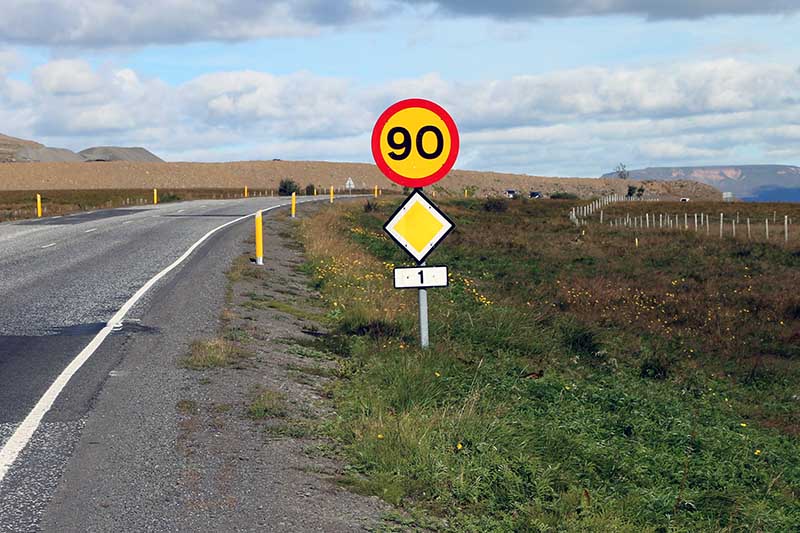
- Paved Rural Highways: The maximum speed limit on paved roads outside of populated areas, including the main Ring Road (Route 1), is 90 km/h (about 56 mph).
- Unpaved Gravel Roads: The speed limit on gravel roads is lower, at 80 km/h (about 50 mph). However, we strongly recommend driving much slower than this. Gravel can be loose and unpredictable, making it easy to lose control. Adjust your speed based on the road's condition, not just the posted limit.
These limits are maximums, not targets. Iceland's weather can be notoriously unpredictable, and conditions like high winds, heavy rain, snow, or ice demand a significant reduction in speed.
The Different Types of Iceland Speed Cameras
The Icelandic police (Lögreglan) use a network of automated and manual systems to enforce speed limits across the country. Knowing what to look for can help you remain aware and drive responsibly.
Fixed Speed Cameras
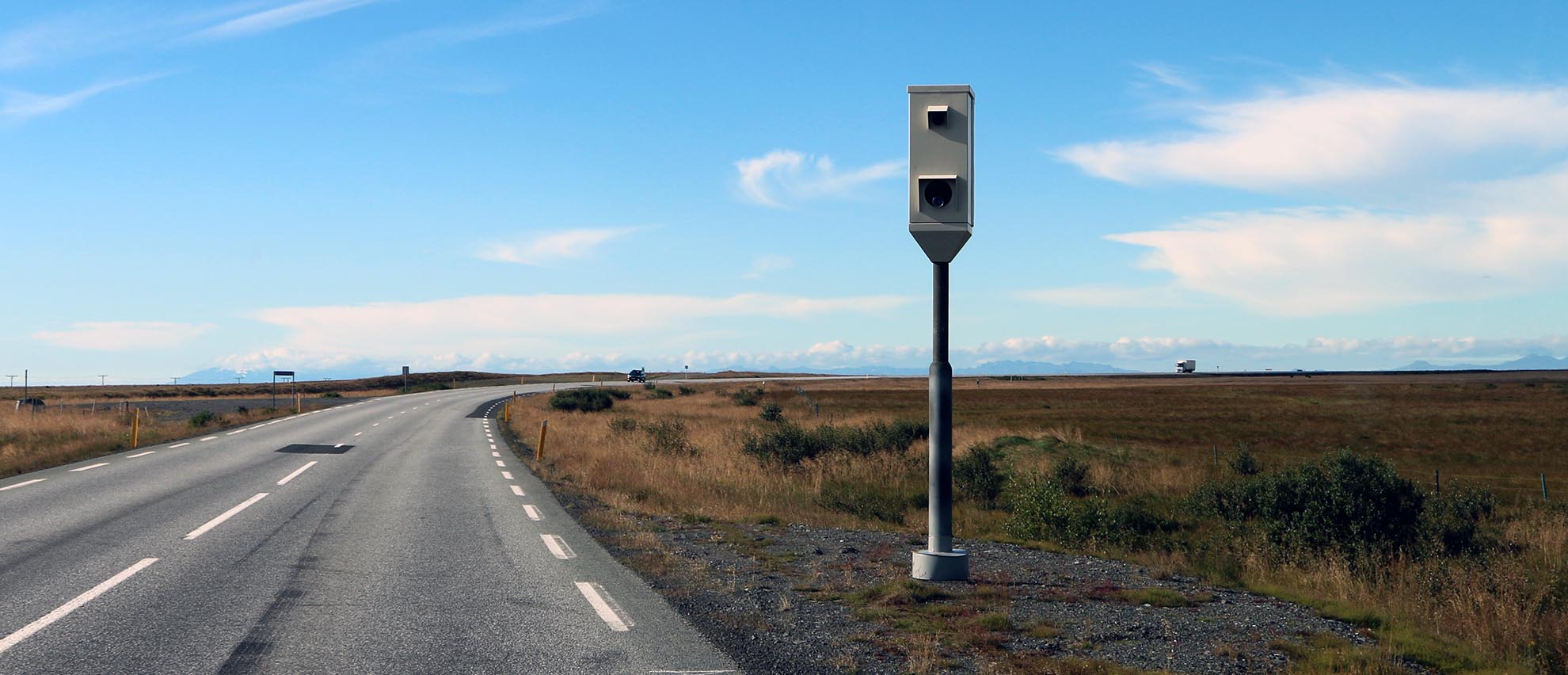
These are the most common type of automated enforcement you'll encounter. They are permanently installed cameras housed in gray boxes mounted on poles at the side of the road.
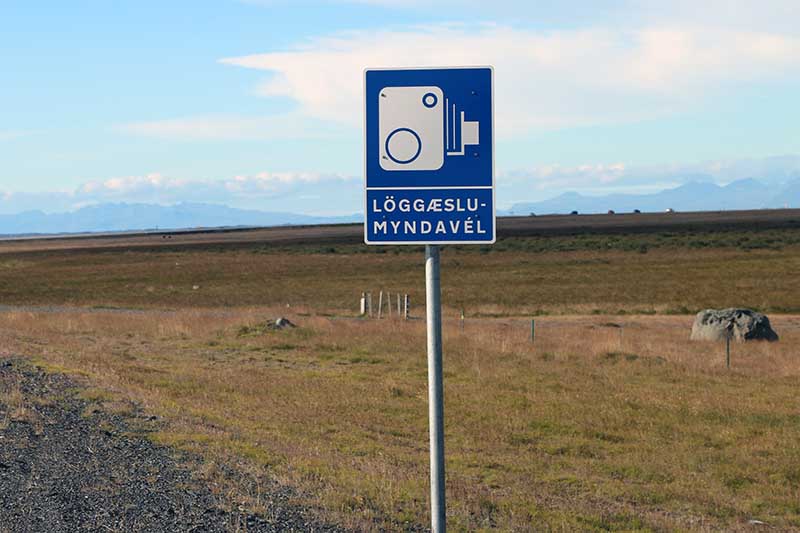
- How to Spot Them: A standard blue sign featuring a white camera icon is always posted several hundred meters before a fixed camera location. This sign serves as your official warning to check your speed.
- Typical Locations: Fixed cameras are strategically placed in areas with higher accident rates or where speeding is a known issue. You will frequently find them:
- On the main Ring Road, especially along the long, straight stretches in South Iceland.
- Entering and exiting major towns and cities like Reykjavík, Akureyri, and Selfoss.
- Within tunnels, such as the Hvalfjörður Tunnel and the Vaðlaheiðargöng Tunnel near Akureyri.
Mobile Speed Vans and Tripods
In addition to fixed cameras, the police operate a fleet of marked and unmarked vehicles equipped with speed detection equipment.
- Mobile Speed Vans: These are typically white or silver vans parked on the roadside. They may have police markings, but they are often plain. Police officers inside monitor traffic and capture images of speeding vehicles.
- Tripod-Mounted Cameras: Officers can also set up portable radar devices on tripods on the side of the road. They are often positioned just over the crest of a hill or around a bend, making them difficult to spot in advance.
Unlike fixed cameras, there is no legal requirement to post warning signs for mobile speed traps. The only way to avoid a fine from these is to consistently adhere to the posted speed limits.
How Speed Camera Thresholds Work
Do the cameras have a tolerance? This is a common question, and the answer is nuanced. While there may be a very small technical margin for error, it is not a buffer you should rely on.
Icelandic law enforcement is strict. The official stance is that the posted limit is the law. The cameras are calibrated to be highly accurate, and fines can be issued for speeds just a few kilometers per hour over the limit. For example, if you are traveling at 95 km/h in a 90 km/h zone, you risk receiving a ticket.
The safest and most responsible approach is to always drive at or slightly below the posted speed limit.
Speeding Fines in Iceland: How They Work for Rental Cars
Receiving a speeding fine is an unwelcome surprise, but knowing the process can help you manage it efficiently. When you rent a car from Höldur, you sign a rental agreement that authorizes us to charge your credit card for any traffic violations incurred during your rental period.
The Notification and Fine Process
- The Violation: A speed camera captures an image of the vehicle's license plate, time, and recorded speed.
- Police Notification: The Icelandic Police process the violation and identify the registered owner of the vehicle—in this case, Höldur Car Rental. They send us the official fine notice.
- Höldur Identifies the Driver: We review our rental records to determine who was renting the vehicle at the exact time and date of the infraction.
- Administrative Fee: As per the rental agreement, Höldur charges a service or administrative fee to your credit card on file. This fee covers our costs for processing the fine, identifying the driver, and handling the correspondence with the authorities. Please note: this fee is separate from the fine itself.
- Information Transfer: We provide the police with your name and contact information as the driver responsible.
- Receiving the Fine: The police will then reissue the fine and send it directly to you, typically via email or mail to the address you provided. This notice will detail the violation, the fine amount, and instructions for payment.
The timeline for this can vary. It may take several weeks or even a few months for the police to process the violation and for you to receive the official notice. The Höldur administrative fee will likely appear on your statement before you receive the fine itself.
How Much Are Speeding Fines in Iceland?
The cost of speeding fines in Iceland is substantial and designed to be a strong deterrent. The amounts are tiered based on how much you exceeded the speed limit and the type of road. Fines can range from around 30,000 ISK (approx. $230 USD) for minor infractions to over 150,000 ISK (approx. $1,150 USD) for excessive speeding.
There is a 25% "discount" on the fine amount if you pay it within 14 days of the notice date. It is highly advisable to take advantage of this to reduce the cost.
Practical Tips for Staying Compliant and Safe
Beyond just avoiding fines, driving at a safe speed is crucial for navigating Iceland’s unique and often challenging conditions.
Be Mindful of Changing Limits
Speed limits are not constant. Pay close attention as you drive into and out of towns. A 90 km/h highway can abruptly drop to 50 km/h as you enter a village. These transitions are common locations for speed enforcement.
Adapt to Iceland’s Unique Driving Conditions
Your speed should always be appropriate for the conditions, which may mean driving much slower than the posted limit.
- Driving in Wind: Iceland is known for its powerful winds, which can push a vehicle across a lane, especially high-clearance models. Reduce your speed significantly to maintain control.
- Driving After Dark: In winter, with limited daylight, visibility is reduced. Slower speeds give you more time to react to hazards on the road. Familiarize yourself with our guide to after-dark driving for more tips.
- Gravel Roads: As mentioned, the 80 km/h limit on gravel roads is a maximum. Loose gravel, potholes, and "washboard" surfaces can make handling difficult. A speed of 50-60 km/h is often far more appropriate.
- Special Road Features: Be prepared for unique challenges like one-lane bridges, where you must yield to oncoming traffic, and complex roundabouts, which are common in and around Reykjavík.
Use Cruise Control Wisely
On long, straight, paved sections of the Ring Road in clear weather, cruise control can be an excellent tool. Set it to 90 km/h, and you can relax knowing you won't unintentionally creep over the limit. However, never use cruise control on gravel roads, in wet or icy conditions, or in high winds, as it can reduce your ability to react quickly.
Stay Focused and Rested
Long drives through mesmerizing landscapes can lead to driver fatigue. Make a conscious effort to check your speedometer regularly. Plan your itinerary with reasonable driving times and take frequent breaks to stretch your legs and rest your eyes. A tired driver is more likely to make a mistake.
Related Resource: Driving in Iceland is quite different from driving in many other countries. Read our guide What to know about driving in Iceland.

FAQs: Iceland Speed Cameras and Fines
Here are answers to some frequently asked questions about speed enforcement in Iceland.
Where are the speed cameras on the road to Keflavík Airport?
The main road connecting Reykjavík and Keflavík International Airport (Route 41, Reykjanesbraut) has several fixed speed cameras. The speed limit is primarily 90 km/h, but it drops as you approach towns and the airport itself. Be especially vigilant on this route.
Can I appeal a speeding fine in Iceland?
Yes, you have the right to appeal a fine if you believe it was issued in error. The instructions for an appeal will be included on the fine notification you receive from the police. However, unless you have clear evidence of a mistake (e.g., you were not in the country at the time), appeals are rarely successful.
What happens if I don't pay my Iceland speeding fine?
Failing to pay a traffic fine can have serious consequences. The Icelandic authorities can work with international debt collection agencies to recover the funds. It could also cause issues if you try to rent a car or even re-enter Iceland or other Schengen Area countries in the future.
How will I know if I got a speeding ticket from a rental car in Iceland?
The first indication will likely be the administrative fee charge from Höldur Car Rental appearing on your credit card statement. Following that, you will receive the official fine notice directly from the Icelandic Police, usually within a few weeks to a few months.
Are there other types of traffic cameras in Iceland?
Yes. Besides speed cameras, some municipalities use cameras to enforce other traffic laws, such as running red lights or illegal parking. It's important to be aware of all traffic regulations. For more information on this, see our guide to avoiding parking fines in Iceland.
Do apps like Waze work for identifying Iceland speed cameras?
Yes, navigation apps like Waze and Google Maps can show the locations of fixed speed cameras, as they are public knowledge. However, they are not always reliable for identifying mobile police traps, so you should not depend on them as your only method for avoiding a ticket.
How accurate are the speedometers in rental cars?
Vehicle speedometers are generally accurate but can have a small margin of error. They sometimes show a speed that is slightly higher than your actual speed. The best practice is to assume it's correct and keep your indicated speed at or below the limit.
Drive Safely and Enjoy Your Adventure
Navigating Iceland by car is the best way to experience its raw beauty. By understanding and respecting the speed limits in Iceland, you protect yourself, your passengers, and other road users. More importantly, you ensure your trip is remembered for its incredible sights and adventures, not for costly and stressful fines.
At Höldur, our priority is your safety and satisfaction. Drive responsibly, take your time, and soak in the magnificent scenery. Your Icelandic road trip awaits.