- Vehicles
- Small & Midsize Rental Cars in Iceland
- Family Rental Cars in Iceland
- Rent electric car in iceland
- 4x4 Car Rental in Iceland
- Suzuki Jimny 4x4
- Dacia Duster 4x4
- Suzuki Vitara 4x4
- Suzuki Vitara auto 4x4
- Dacia Bigster 4x4
- Kia Sportage 4x4 Auto
- Kia Sportage PHEV 4x4 auto
- Mitsubishi Outlander PHEV 4x4 auto
- Toyota Rav4 4x4 auto
- Kia Sorento 4x4 auto
- Mercedes Benz 350 GLE PHEV 4x4 auto
- Toyota Landcruiser 150 4x4 auto
- Toyota Landcruiser 250 4x4 auto
- Landrover Discovery 5 4x4 auto
- Landrover Defender 4x4 auto
- Prestige
- Rent a Minivan in Iceland
- 4x4 Camper
- Motorhomes
- Driving in Iceland
- Services
- Locations
- Travel Inspiration
- South Iceland: A complete guide
- Reynisfjara Beach in Iceland - Your Guide to a Safe Visit
- Best Times to Visit the Golden Circle in Iceland
- North Iceland: A Complete Guide for Drivers
- East Iceland A Complete Guide for Drivers
- West Iceland The Complete Driver’s Guide
- Your Ultimate Guide to Exploring Iceland’s Ring Road
- Driving the Diamond Circle in Iceland: Your Ultimate Guide
- Driving Iceland's Golden Circle: Your Ultimate Guide
- A 10-Day Itinerary in Iceland: Tips + Ideas
- The Perfect Itinerary for 7 Days in Iceland
- The Best Time to See the Northern Lights in Iceland with a Rental Car
- Renting a Camper in Iceland: The Complete Guide
- Getting to Iceland: A Comprehensive Guide on How to Reach the Land of Fire and Ice
- Nature Bath Locations in Iceland: A Complete Guide
- Iceland with Kids: A 5-Day Self-Drive Itinerary
- Winter Driving in Iceland: A Comprehensive Overview for Foreign Tourists
- The Total Solar Eclipse in Iceland – August 12, 2026
- Exploring Iceland's National Parks on a Self-Drive Adventure
- Exploring Iceland's Wonders: A Comprehensive Guide to Activities and Car Rentals
- Springtime in Iceland – Your Comprehensive Travel Guide
- Exploring Iceland's Most Popular Highland Routes
- The Pearls of Westfjords: The Ultimate Guide
- Exploring Iceland's Hidden Gems | Off-the-Beaten-Path Adventures
- Driving in Iceland in June: Tips for a Safe and Scenic Summer Road Trip
- Driving in Iceland in July: Tips, Routes & Rentals
- Driving in Iceland in August: Late-Summer Freedom on the Open Road
- Guide to Skaftafell Iceland Self-Drive A Journey Through Fire and Ice
- Eco-Friendly Road Trips in Iceland, Sustainable Travel Tips
- Photographer’s Paradise Top Scenic Drives in Iceland for Stunning Shots
- Iceland's Folklore and Legends A Road Trip Through Mythical Sites
- Iceland’s Midnight Sun and How to Make the Most of 24-Hour Daylight
- Exploring Iceland’s Viking Heritage: Top Historical Sites
- Chasing Waterfalls: A Road Trip to Iceland’s Most Spectacular Cascades
- Iceland's Volcanic Wonders: A Self-Drive Tour of Active and Dormant Volcanoes
- Tee Off in the Land of Fire and Ice: A Guide to Golfing in Iceland
- Birdwatching in Iceland: Puffins and Beyond
- Iceland’s Diverse Beaches: Beyond the Black Sands
- Icelandic Horses: The Unique Breed of the North
- Beyond the Ring Road: Iceland’s Hidden Scenic Drives
- Iceland’s Ice Caves: A Year-Round Adventure
- Wildlife Watching in Iceland: Where and When to Go
- Iceland’s Hidden Hot Springs: A Self-Drive Guide to Secret Soaks
- Navigating Iceland’s Weather: What to Expect Each Season
- Tröllaskagi Peninsula: Iceland’s Mountainous Marvel — A Scenic Road Trip with Höldur
- Mastering Iceland's Roundabouts: A Driver’s Guide
- Essential Tips for Renting a Car in Iceland
- Navigating Iceland’s One-Lane Bridges: Your Guide to Safe and Scenic Crossings
- Exploring Iceland’s Film Locations by Rental Car
- 5 Must-Visit Destinations Within Two Hours of Keflavík Airport
- Seasonal Car Rental Tips for Iceland’s Summer Festivals
- Understanding Iceland's F-Roads: How to Drive Safely Into the Highlands
- What Makes Iceland Unique: Top 15 Highlights for an Unforgettable Journey
- Driving and Hiking in Harmony: Explore Iceland's Natural Wonders with Höldur Car Rental
- Best Car to Rent in Iceland?
- Avoiding Common Car Rental Mistakes in Iceland
- Making Your Car Rental in Iceland Child-Friendly: Tips for Stress-Free Family Travel
- Exploring Akureyri, Iceland’s Northern Gem, with EasyJet and Europcar
- Renting a Manual or Automatic Car in Iceland
- Discover the Arctic Coast Way in Iceland with Höldur Car Rental
- How to Save on Fuel Costs During Your Iceland Road Trip
- Electric vs. 4x4 Rentals in Iceland: Which is Right for Your Trip?
- Top Scenic Detours Off Iceland's Ring Road
- Top Safety Tips for First-Time Drivers on Iceland’s Roads
- Cultural Pit Stops Along Iceland’s Ring Road
- Your Guide to Exploring Stuðlagil Canyon by Car: Iceland’s Basalt Beauty Awaits
- Day Trip Ideas From Reykjavik by Rental Car
- Visit Glymur Waterfall: The Ultimate Self-Drive Adventure from Reykjavík
- Discover the Volcanic Wonders of Lake Mývatn by Car
- Discovering the Magic of Snæfellsnes Peninsula by Car
- Your Self‑Drive Guide to Gullfoss Waterfall
- A Guide to Seljalandsfoss Waterfall in Iceland: Explore by Car
- Exploring Reykjanes Peninsula A Self Drive Guide
- Exploring Iceland Landmannalaugar by 4x4
- A Beginner's Guide to River Crossings in Iceland
- Best Car Rental Offers for Iceland’s Summer Adventures
- Your Self‑Drive Guide to Þingvellir National Park
- Your Ultimate Guide to Geysir, Iceland: All You Need to Know
- How to Pay for the Vaðlaheiðargöng Tunnel
- Your Guide to Visiting Jökulsárlón Glacier Lagoon
- The Diamond Beach in Iceland: A Sparkling Wonder Worth Visiting
- Parking fines in Iceland: how to pay and what to do if you receive one
- Where to find overnight parking in Reykjavík: a local’s guide for travellers
- How to park for free in Reykjavík: tips to save on your Iceland trip
- How to pay for parking in Reykjavík - A friendly guide for drivers in Iceland
- Game of Thrones Filming Locations in Iceland: A Self-Drive Guide
- How to Choose the Right Car Rental at Keflavík Airport
- Flying Within Iceland: Your Guide to Domestic Routes and Regional Airports
- Top 3 Must-See Attractions on Iceland's Golden Circle
- Hidden Gems Along the Golden Circle Route
- Your Essential Guide to Iceland: Currency, Culture, and Car Rental Tips
- How to Plan the Perfect Golden Circle Self-Drive Tour
- The Comprehensive Guide to Rental Car Sizes at Keflavik Airport
- Húsafell & Hallmundarhraun: Hidden Lava Field Adventures by Car
- Iceland Weather by Month: What to Expect and How to Drive Safely with Holdur Car Rental
- A Guide to Iceland’s Quirky Roadside Attractions
- Exploring Iceland’s Lava Tubes | Self-Drive Cave Adventures with Höldur Car Rental
- Coolcation in Iceland: Self-Drive Your Summer Escape to the North
- Driving Iceland’s Coastal Roads: A Guide to Lesser-Known Peninsulas
- Top Tips for Driving in Iceland Safely Year-Round
- The Best Rest Stops and Viewpoints Along Iceland's Ring Road
- Driving in Iceland in September: Embrace the Autumn Adventure
- Your Guide to Exploring Fjaðrárgljúfur – South Iceland’s Fairytale Canyon
- Explore Reykholt on a Self-Drive Tour in Iceland
- How to Choose the Right Insurance for Your Iceland Car Rental
- Hiking Múlagljúfur Canyon: Iceland’s Hidden Gem You Can’t Miss
- Understanding Iceland's Weather and How It Affects Driving Conditions
- Dyrhólaey: A Complete Self-Drive Guide to Iceland's Breathtaking South Coast
- Where to See Iceland’s Tectonic Plates Up Close
- Scenic Journey on Kjalvegur Road 35 Reykjavik to Akureyri
- Guide to Visiting Svartifoss with a Rental Car
- Kerið Crater Lake in Iceland: A Self-Drive Guide
- Your Complete Guide to Stokksnes, Iceland with a Rental Car
- Hengifoss Waterfall in Iceland: The Ultimate Self-Drive Guide
- Your Complete Guide to Visiting Skógafoss Waterfall with a Rental Car
- Into the Heart of Þórsmörk: Iceland’s Valley of Thunder
- Dynjandi Waterfall in Iceland: The Ultimate Self-Drive Guide
- Visiting Ásbyrgi Canyon in North Iceland by Car: A Complete Self-Drive Guide
- Driving in Iceland in October: Embrace the Autumn Transition
- Hraunfossar: Iceland’s Hidden Gem for Self-Drive Travellers
- Barnafoss Waterfall: Iceland’s Raging Cascade with a Legend
- Driving in Iceland in November: Your Complete Guide to a Spectacular Autumn Adventure
- Fishing in Iceland: All You Need to Know
- Öxarárfoss Waterfall in Iceland: A Self-Drive Guide with Höldur
- Life in Iceland: Essential Guide to Living in the Land of Fire and Ice
- People of Iceland - 12 Fun Facts About Icelanders
- Glaumbær Turf Houses: A Self-Drive Guide to Iceland’s Living History
- Húsavík: Whale Watching Capital of Iceland
- Svínafellsjökull Glacier: A Self-Drive Guide to Iceland’s Ice Giants
- Kirkjubæjarklaustur: A Historic South Coast Gem
- Vík í Mýrdal: South Iceland’s Coastal Treasure
- Namaskard: A Self-Drive Guide to Iceland’s Geothermal Wonderland
- Laufás Heritage Site: Where Iceland’s Past Lives On
- Navigating Iceland's Gravel Roads: Tips for a Safe and Smooth Drive
- Iceland's Best Stargazing Spots for Self-Drive Travellers
- Iceland's Best Picnic Spots: Scenic Stops for Self-Drive Adventures
- Top 5 Family-Friendly Hiking Trails Accessible by Rental Car
- 15 Tips for Travelling to Iceland
- How to Plan a Winter Photography Road Trip in Iceland
- Visiting Gljúfrabúi Waterfall — A Self-Drive Guide
- How to Spot Puffins in Iceland: A Self-Drive Adventure
- Your Essential Guide to Winter Tyres and Safe Driving in Iceland
- Iceland’s Most Active Volcanoes: A Self-Drive Guide
- Iceland’s Most Scenic Bridges and River Crossings: A Self-Drive Guide
- Iceland’s Most Instagrammable Spots for Self-Drive Travellers
- How Cold Is It in Iceland During Winter? A Self-Drive Guide
- Explore Dimmuborgir: A Self-Drive Guide to Iceland's Dark Castles
- The Ultimate Guide to Iceland’s Top 5 Waterfalls by Car
- Iceland’s Best Scenic Routes for Autumn Foliage: A Self-Drive Guide
- The Best Time to Visit Iceland for Self-Drive Travellers
- Self-Drive Adventures to Iceland’s Remote Lighthouses
- Selfoss Waterfall Self-Drive Guide: Explore Iceland Your Way
- All About the Icelandic Sheep
- Vestrahorn: A Self-Drive Guide to Iceland’s Stokksnes Peninsula
- Höfn, Iceland: The Lobster Town Self-Drive Guide
- Exploring Arnarstapi: A Self-Drive Guide
- A Guide to Iceland's Seasonal Foods for Your Road Trip
- Hverfjall Crater, Iceland: A Self-Drive Guide
- Self-Drive Guide to Visiting Askja
- A Self-Drive Guide to Visiting Kerlingarfjöll
- A Self-Drive Guide to Gunnuhver Geothermal Area
- Skriduklaustur, Iceland: A Self-Drive Guide to History & Culture
- Your Ultimate Guide to Visiting the Blue Lagoon in Iceland
- Borgarnes, Iceland: Top Things to Do & Self-Drive Guide
- A Guide to Glaciers in Iceland
- Car Rental Insurance in Iceland: What’s Usually Included, What’s Not & How to Choose
- Best Car Models for Iceland’s Terrain: Recommendations by Route
- Solo Traveller’s Guide to Self-Driving in Iceland
- Exploring Iceland’s Arctic Circle: What to See and Do
- How to Plan a Budget-Friendly Road Trip in Iceland
- The History of Iceland’s National Day: A Self-Drive Celebration
- Where to Spot Whales in Iceland: A Self-Drive Guide
- The Diamond Circle vs. The Golden Circle: Which Route is Right for You?
- Embracing a Greener Journey: Sustainability in Iceland
- Granni: A Self-Drive Guide to Iceland’s Neighboring Waterfall
- Háifoss: A Self-Drive Guide to Iceland’s Tallest Waterfall
- Iceland's Best Camping Spots for Road Trippers
- Gjáin: A Self-Drive Guide to Iceland’s Hidden Oasis
- Iceland's Hidden Waterfalls: Beyond the Tourist Trails
- Hjálparfoss: A Self-Drive Guide to Iceland’s Helping Falls
- Seasonal Self-Drive Itineraries in Iceland: What’s Open When?
- Kirkjufell: A Self-Drive Guide to Iceland’s Most Photographed Mountain
- Fjallabak Nature Reserve: A Self-Drive Guide to Iceland’s Rugged Highlands
- Hrafntinnusker: A Self-Drive and Hiking Guide to Iceland’s Obsidian Wilderness
- When to Visit Iceland: Northern Lights and Ice Caves vs. Hiking and Highland Adventures
- Visiting Laugarvatn Fontana Spa with a Rental Car: A Relaxing Icelandic Getaway
- Hvítserkur Rock: A Self-Drive Guide to Iceland’s Dragon of the North
- Skiing in Iceland: A Self-Drive Guide for Winter Adventurers
- Visiting the Mývatn Nature Baths by Car: A Self-Drive Guide
- Visiting Vök Baths in East Iceland: A Self-Drive Guide
- Visiting Skútustaðir Pseudo-Craters: A Self-Drive Guide
- Visiting Hljóðaklettar: A Self-Drive Guide on the Diamond Circle
- The Ultimate Guide to Exploring Reykjavik with a Rental Car
- Visiting Seljavallalaug: A Hidden Gem in South Iceland
- Guide to Sólheimajökull Glacier by Iceland Car Rental
- Eyjafjallajökull: Iceland’s Glacier Volcano
- Ísafjörður, Iceland: Your Ultimate Self-Drive Guide to the Westfjords
- What Continent is Iceland In? A Traveler's Guide
- Katla Volcano: A Guide to Iceland's Sleeping Giant
- The Magic of Icelandic Water: A Traveler's Guide
- A Guide to Exploring Akureyri by Rental Car
- A Self-Drive Guide to the Krafla Volcanic Region
- 12-Day Iceland Self-Drive: The Complete Itinerary
- Hekla Volcano: A Self-Drive Guide to Iceland's Gateway
- Visiting Deildartunguhver: A Self-Drive Guide to Europe’s Most Powerful Hot Spring
- Exploring Borgarfjörður: A Self-Drive Guide to West Iceland
- Exploring Stórurð: A Self-Drive and Hiking Guide to East Iceland
- Visiting the Forest Lagoon in North Iceland: A Self-Drive Guide
- Driving in Iceland in December: Embrace the Winter Wonderland
- Exploring Grábrók: A Self-Drive Guide to Iceland’s Volcanic Crater
- Exploring Látrabjarg: A Self-Drive Guide to Iceland’s Westernmost Point
- Iceland Car Hire Tips for UK Drivers: What You Need to Know
- 4-Day Iceland Winter Itinerary: The Best of the South
- Mount Mælifell: Iceland’s Emerald Volcano
- How Long to Drive Around Iceland? A Self-Drive Guide
- Driving in Iceland in January
- Exploring Djúpavík: A Self-Drive Guide to Iceland’s Remote Westfjords
- What to Wear in Iceland: Tips for Every Season
- Things to Do in Stykkishólmur: A Self-Drive Adventure Through Iceland’s Magical West
- The Secret Lagoon: Iceland’s Hidden Gem of Relaxation and Discovery
- The Silver Circle of Borgarfjörður: Your Ultimate Self-Drive Guide
- Snæfellsjökull: A Journey to Iceland’s Glacier of Legends
- Car Rental Iceland 4x4: Best 4WD Options for Your Trip
- What to See in Iceland: 20 Places You Don’t Want to Miss
- How to Prepare for an Iceland Road Trip
- Your Guide to Visiting Fagrifoss Waterfall by Car
- Exploring Stakkholtsgjá Canyon: A Self-Drive Adventure in Iceland
- Kolugljúfur Canyon: A Guide to Iceland's Hidden Gem
- Exploring Kvernufoss: A Hidden Gem in South Iceland
- Skógar Museum: A Journey Through Iceland's History
- 2 Days in Iceland: The Perfect Itinerary
- Exploring Berserkjahraun: A Self-Drive Guide to Iceland’s Lava Fields
- Driving in Iceland in February: Your Complete Guide
- Iceland Daylight Hours by Month: Planning Your Trip
- Petra’s Stone Collection: A Self-Drive Gem in East Iceland
- Iceland's New Kilometer-Based Road Tax: Everything You Need to Know
- Krýsuvíkurbjarg Cliffs: Self-Drive Guide to Iceland’s Wild Coast
- Brimketill: The Reykjanes Peninsula’s Natural Lava Pool
- Exploring Eldhraun Lava Field: A Self-Drive Guide to Iceland’s Volcanic Marvel
- Iceland 2026 Car Rental Guide
- Choosing the Best 4x4 for Iceland's Westfjords
- How Sagas and History Shape Iceland's Driving Routes
- Driving in Iceland After Dark: How to Plan Safe Evening & Night Drives
- What to Do When Roads Close in Iceland: A Traveller’s Plan B Guide
- Iceland With a 2WD Only: No‑Gravel, No F‑Road Itineraries
- Iceland Through the Windshield: Landscapes You’ll See Without Leaving the Car
- Iceland EV Road Trips Made Easy (2026 Guide)
- Iceland Speed Cameras & Fines: The 2026 Driver’s Guide for Visitors
- 24 Hours in Iceland (KEF Layover): Two Seasonal Micro-Itineraries by Car
- Self-Drive Iceland for First-Timers: A Realistic Day-by-Day Pace Guide
- The Complete Self-Drive Guide to Fjallsárlón Glacier Lagoon
- Route 60 Westfjords Road Trip: Dynjandi, Þingeyri & New Tunnels Explained
- Baldur Ferry With a Rental Car: Stykkishólmur ↔ Brjánslækur
- Iceland at Easter: 5‑Day Self‑Drive Itinerary from KEF
- Westman Islands by Rental Car + Ferry: Day Trip from the South Coast
- Reykjavík Northern Lights Pull-Outs: Safe Self-Drive Spots within 45 Minutes of the Capital
- Staying Connected: Best SIM Cards and Wi-Fi Options for Your Iceland Road Trip
- The "Gas & Go" Logistics Guide: How to Pay for Gas in Iceland Without Getting Stranded
- Iceland Wind Guide for Drivers
- Fjallsárlón vs Jökulsárlón: Which Glacier Lagoon to Visit by Car?
- Iceland Road Conditions by Region (What to Expect Beyond Weather)
- Iceland’s Best Scenic Loops
- Iceland for Everyone: Accessible Natural Wonders by Car
- Iceland’s Most Photogenic Churches: A Scenic Architectural Drive
- Driving in Iceland in March: Weather, Daylight & Safe Itineraries (2026)
- Go / No-Go: A Driver’s Playbook for Using Road.is, Veður & SafeTravel Before You Set Off
- How to Plan a 3-Day Self-Drive Adventure in Iceland’s Highlands
- Driving in Iceland in April: Weather, Daylight & Safe Itineraries
- One-Way Car Rental in Iceland: Keflavik to Akureyri
- The Arctic Henge & Langanes: Driving Northeast Iceland’s Remote Edge
- Driving in Iceland in May: Late-Spring Conditions, Puffins & Ring Road Plans
- Driving in Iceland in June: 2026 Update
- 2 Days on Iceland's South Coast: The Ideal Self-Drive Itinerary
- Iceland Road Trip Packing List by Season: What to Keep in Your Rental Car
- The Ultimate Iceland Road Trip Grocery Guide: Where to Shop and How to Save
Practical Travel Tips
Driving in Iceland in June: 2026 Update
29.05.2026
There's something about Iceland in June that gets under your skin. The light never fully disappears. The roads stretch out across volcanic plains and glacier-carved valleys. The highlands are waking up. And if you've been thinking about a self-drive trip, this is the month that makes it click.
Whether you're flying into Keflavík and heading straight out on the Ring Road, or breaking your journey up with highland detours and coastal loops, June is one of the best months to be behind the wheel in Iceland. But "best" doesn't mean "worry-free." There are still road conditions to understand, weather patterns to respect, and practical decisions to make before you go.
This guide covers everything you need to plan a confident, rewarding driving trip in Iceland this June.
Why June Stands Out for a Road Trip in Iceland
Midnight Sun and Endless Daylight
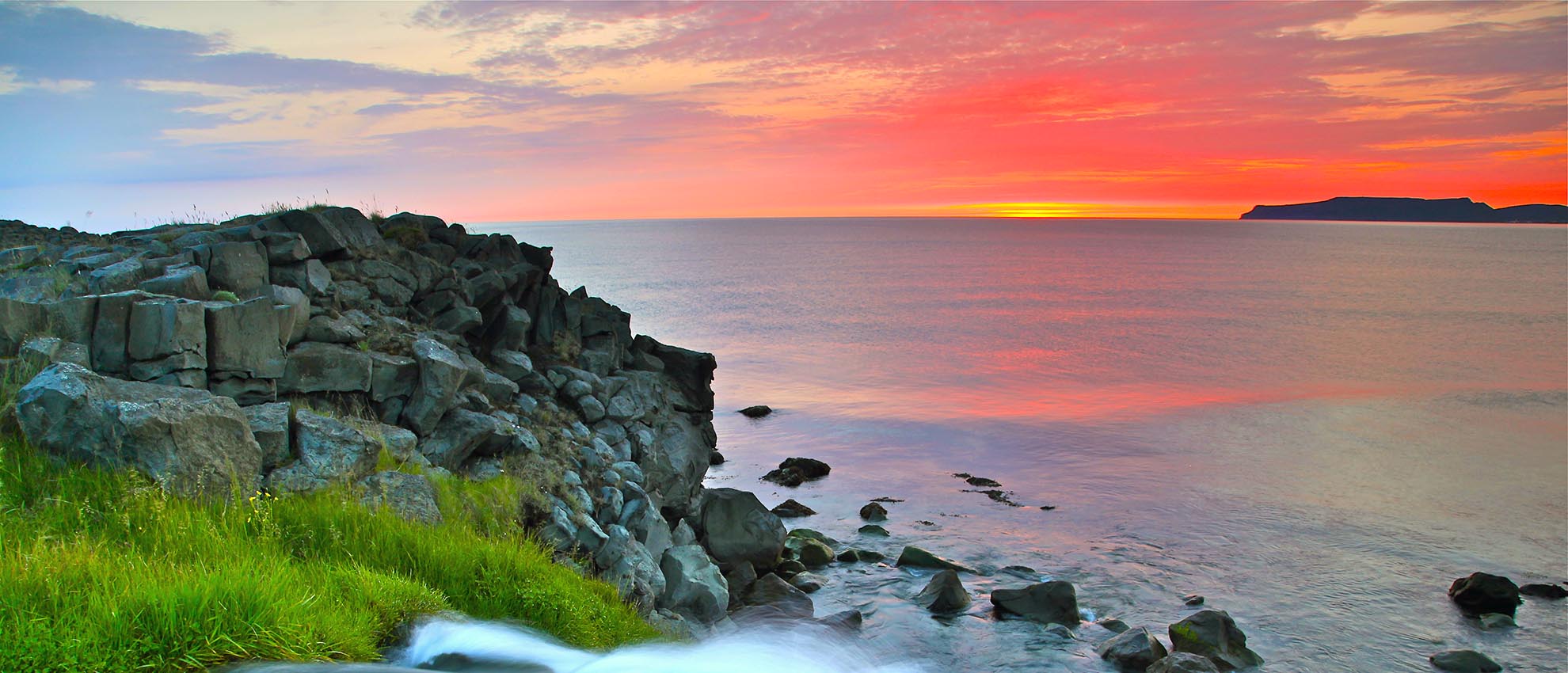
By June, Iceland is fully in midnight sun territory. Around the summer solstice (June 21), Reykjavík sees around 24 hours of daylight, and even in the weeks before and after, darkness barely exists — you might notice a faint dimming around 2 AM, but the sky stays bright.
For drivers, this means:
- No pressure to race the sunset
- Flexibility to stop whenever the scenery demands it
- Easier navigation and visibility throughout the day
- More time to cover ground without feeling rushed
It also means sleep can be tricky if you're not used to it. Bring an eye mask and give yourself time to adjust.
Warmer Temperatures and Accessible Roads
June brings Iceland's most stable driving weather. Daytime temperatures typically range from 10–15°C (50–59°F), with longer warm spells possible. Snow and ice on lowland roads are largely gone, and the highland routes that were locked shut all winter begin to reopen.
This doesn't mean Iceland's weather turns predictable. Wind, rain, and fog can still roll in fast. Checking vedur.is before every drive is a habit worth keeping.
Road Conditions in June: What to Expect
The Ring Road (Route 1)
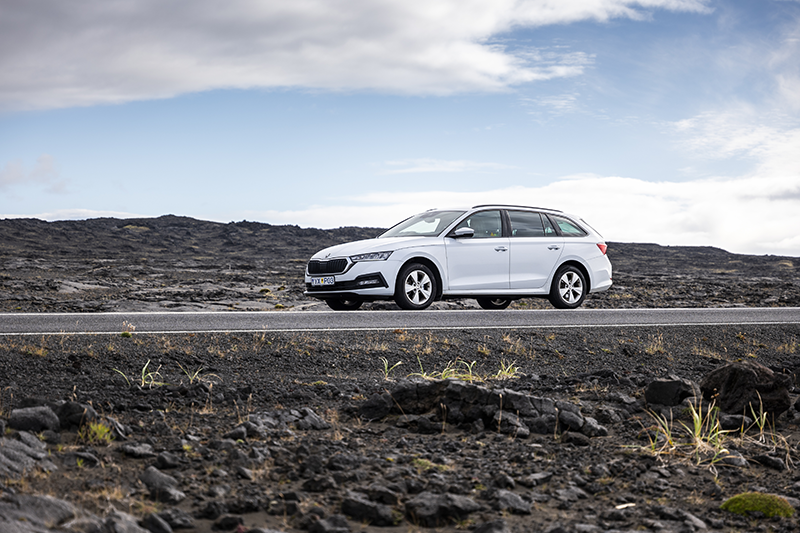
Route 1 circles the entire country and is fully paved. In June, it's in good condition and accessible to all vehicle types. You'll find scenic pull-offs, fuel stops, and accommodation spread along the route. That said, conditions vary — coastal stretches can be gusty, and some sections near mountain passes are more exposed than others.
See also: Your Guide to Exploring Iceland’s Ring Road.
Gravel Roads and Rural Tracks
Once you leave the main highway, gravel surfaces are common. They're manageable but require a gentler approach:
- Slow down significantly when meeting oncoming traffic
- Leave more stopping distance than you would on tarmac
- Check your rental agreement — some vehicles have gravel road exclusions for windshield and tire damage
See also: Navigating Iceland's Gravel Roads: Tips for a Safe and Smooth Drive.
Single-Lane Bridges
You'll encounter these throughout Iceland, often unexpectedly. The rule is simple: whoever is closest to the bridge has priority. If another car is already on or clearly closer to the bridge, wait. These crossings are usually quick, and patience makes them stress-free.
See also: Navigating Iceland’s One- Lane Bridges: Your Guide to Safe and Scenic Crossings.
Wildlife on the Road
June is lambing season in Iceland, which means sheep — and their newborn lambs — are actively wandering roads across the country. They have zero interest in traffic. Drive cautiously in farming areas, especially around dawn and dusk, and be ready to brake.
2WD or 4x4: Which Vehicle Do You Need?
This question comes up constantly, and the honest answer is: it depends on your plans.
When a 2WD Is Fine
If you're sticking to the Ring Road, the Golden Circle, the South Coast, or the Snæfellsnes Peninsula, a standard 2WD car handles all of those routes comfortably in June. Compact and economy cars are cost-effective, easier to park, and genuinely sufficient for most summer itineraries.
When You Need a 4x4
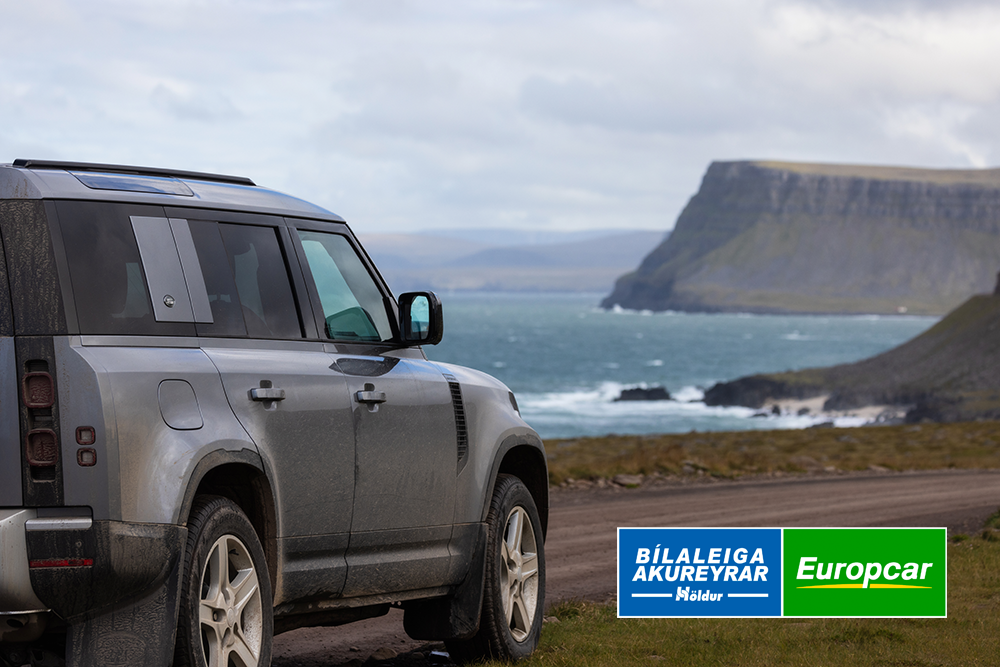
If you want to explore the highlands — including routes like Landmannalaugar, Þórsmörk, or the Kjölur road — a proper 4WD vehicle is not optional. F-roads (mountain tracks designated with an "F" prefix) are legally restricted to 4x4 vehicles. Driving a 2WD on an F-road can void your insurance and, more seriously, leave you stranded in an isolated area.
Before booking your vehicle, map your intended route and check road.is for which F-roads are open and passable. Conditions vary from year to year based on snowmelt, and some tracks open later than expected even in a warm June.
F-Road Access in June: Important Caveats
Highland road access is one of the most common areas of confusion for visitors. Here's what to know:
- F-roads typically begin opening in late May through June, but opening dates are not fixed
- Conditions can change quickly — a road marked open in the morning can close after an unexpected snowfall
- River crossings on some highland routes require experience and local knowledge; don't underestimate them
- Always check the current status at road.is — the Icelandic Road and Coastal Administration updates this regularly
If highland driving is a priority for your June trip, build flexibility into your schedule. Have a backup plan for the day in case your intended route is still closed.
Key Driving Rules You Need to Know
Icelandic traffic law is clear on the points that matter most for visitors:
- Drive on the right. Like most of Europe.
- Headlights on at all times. This is a legal requirement year-round, including full summer daylight.
- Speed limits: 90 km/h on paved roads, 80 km/h on gravel, 50 km/h in urban areas.
- No off-road driving. Iceland's mossy, volcanic terrain is fragile and can take centuries to recover from tire tracks. It's also illegal — fines are steep.
- No right turn on red. Treat red lights as a full stop.
- Seat belts required for all occupants.
- Zero tolerance for drink-driving. Iceland enforces strict limits.
Sheep and Gravel Safety: A Quick Checklist
Two things that catch new drivers off guard more than anything else:
Sheep:
- Expect them on any rural road
- They can move in any direction without warning
- Slow down well before you reach them
- Never assume they'll move out of the way
Gravel Roads:
- Ease off the accelerator before meeting oncoming vehicles
- Avoid sharp braking on loose surfaces
- Pull well off the road if you want to stop and photograph
- Keep windows up to protect passengers from flying stones
Parking and Road Etiquette
In Towns and Cities
Reykjavík and Akureyri have metered street parking and pay-and-display systems. Download a local parking app or carry coins. Parking enforcement is active in city centers.
See also: Parking in Reykjavík: A Comprehensive Guide.
In Rural Areas and at Attractions
Many natural sites now have dedicated parking areas. Use them — even if a grassy patch closer to the viewpoint looks inviting, parking on vegetation causes lasting damage and can result in fines. At busy spots like Seljalandsfoss or Skógafoss, arrive early to avoid congestion.
General etiquette:
- Don't block pull-offs or turnouts for other drivers
- Keep noise down in nature areas — Iceland values quiet
- Icelanders are generally calm and courteous behind the wheel — match that energy
Fuel and EV Charging: Planning Ahead
Petrol Stations
Fuel stations appear roughly every 50–100 km along main routes. Many operate 24/7 with self-service pumps that accept credit and debit cards. In the highlands, fuel is scarce — top up before heading into remote areas and don't assume the next village will have a pump.
Electric and Plug-In Hybrid Vehicles
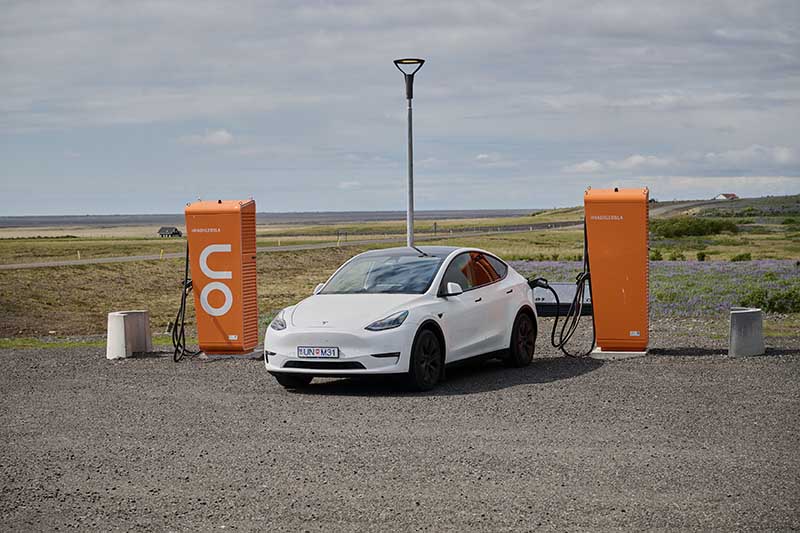
Thinking about renting an Electric Vehicle (EV) for your Icelandic road trip? Go for it! Iceland has one of the highest rates of EV adoption in the world, and its public charging network has grown massively to accommodate both locals and travelers.
Here is what you need to know about charging an EV in Iceland today:
1. How Many Stations Are There?
Iceland features a robust and ever-expanding network, boasting nearly 500 public charging stations across the country, encompassing over 2,000 individual charging plugs (connectors). You will find chargers at gas stations, grocery stores, hotels, popular tourist hubs, and municipal parking lots.
2. The Two Types of Chargers You’ll Encounter
-
DC Fast & Ultra-Fast Chargers (100 kW to 250+ kW): These are your best friends on a road trip. Strategically located along the Ring Road (Route 1) and in major towns, they can power up your battery to 80% in about 15 to 40 minutes—perfect for a quick coffee break.
-
AC Standard Chargers (11 kW to 22 kW): These are slower "destination" chargers. They are typically found at hotels, local swimming pools, and shopping centers. They are ideal for topping up your battery while you sleep, hike, or soak in a geothermal pool.
3. Main Network Providers
Iceland’s charging ecosystem is managed by a few key operators:
-
ON Power (Orka náttúrunnar): One of the largest networks with rapid chargers spanning the entire country.
-
Ísorka: Possesses a massive network of both fast and standard chargers.
-
Tesla Superchargers: Heavily integrated along the main highways. Bonus: Tesla has opened many of its stations in Iceland to non-Tesla vehicles, making it accessible to most rental EVs.
-
Other growing players include Orkusalan, N1, and eONE.
4. How to Find Stations and Pay
Do not rely on guessing where the next charger is—always map out your route!
-
Live Maps: Use ChargeFinder or PlugShare. These apps are fantastic for seeing all stations regardless of the provider, showing real-time availability, plug types (mostly Type 2 for AC and CCS for DC), and charging speeds.
-
The Payment Process: Most networks do not accept physical credit cards directly at the machine. Instead, you will need to download the provider’s app (like the ON or Ísorka app) or use a roaming RFID chip/tag, which many rental car companies provide on your key ring.
5. Insider Pro-Tips for Tourists
-
The Ring Road is Safe: If you are sticking to the classic Ring Road, the Golden Circle, or the South Coast, you will have absolutely no "range anxiety." Chargers are frequent and reliable.
-
Plan Ahead for the Fjords: If you are venturing into remote areas like the Westfjords or the Eastfjords, stations are slightly further apart. Make it a habit to plug in whenever you stop for lunch or a sight.
-
Mind the Weather: In cold temperatures, EV batteries drain faster. Keep an eye on your range if you are traveling during the winter shoulder months!
Best Scenic Drives for June 2026
The Ring Road (Full or Partial)
Iceland's Route 1 connects all the major regions. You can drive the whole loop in about a week with stops, or focus on specific sections. The South Coast to East Fjords stretch is particularly dramatic in June, with waterfalls in full flow and green hillsides at their lush peak.
The Golden Circle
A classic day trip from Reykjavík covering Þingvellir National Park, the Geysir geothermal area, and Gullfoss waterfall. Allow a full day — 6–8 hours with stops — and consider going early morning to avoid crowds.
Snæfellsnes Peninsula
Often described as Iceland in miniature, this peninsula packs in lava fields, fishing villages, coastal cliffs, a glacier, and a national park within a manageable loop. It's accessible from Reykjavík in a full day, or better as an overnight trip.
South Coast to Vík
Seljalandsfoss, Skógafoss, Reynisfjara black sand beach, and the sea stacks at Dyrhólaey — this stretch is endlessly photogenic and manageable in a 2WD. June is also puffin season, making the coastal stops even more rewarding.
Westfjords
Remote, rugged, and still relatively undervisited. June is one of the best windows to explore this region, as roads are clear and the landscape is strikingly green. Some sections require a 4x4 — check conditions before you go.
See also: Choosing the Best 4x4 for Iceland's Westfjords.
Landmannalaugar (Highland Route)
If F-roads are open and you have a capable 4x4, Landmannalaugar's multicolored rhyolite mountains and natural hot springs are unforgettable. This is one of Iceland's most rewarding highland destinations and June is the ideal month to attempt it.

Frequently Asked Questions
What side of the road do you drive on in Iceland?
The right-hand side, the same as most of Europe and the US.
Do I need an international driver's license?
Not if your license is in Roman script and valid in your home country. Most nationalities are covered.
Can I drive F-roads in a regular rental car?
No. F-roads require a 4x4 vehicle. Driving a 2WD on an F-road will void your insurance and could strand you.
Is it really light all night in June?
Yes, especially around the solstice. Pack a sleep mask if you're sensitive to light.
Do headlights need to be on during the day?
Yes. Headlights are legally required at all times in Iceland, regardless of the time of day or season.
Are there speed cameras in Iceland?
Yes, and they are enforced. Stick to posted limits — the scenery rewards slow driving anyway.
Is off-road driving allowed?
Absolutely not. It's illegal and causes irreversible damage to Iceland's landscape.
What's the best car for driving Iceland in June?
A 2WD handles most summer routes. If you're planning highland or F-road access, book a proper 4x4 in advance — they book out quickly in summer.
What apps should I download before my trip?
vedur.is for weather, road.is for road conditions, PlugShare or Ísorka for EV charging, and an offline map app for areas with limited connectivity.
Can I rent a car at Keflavík Airport?
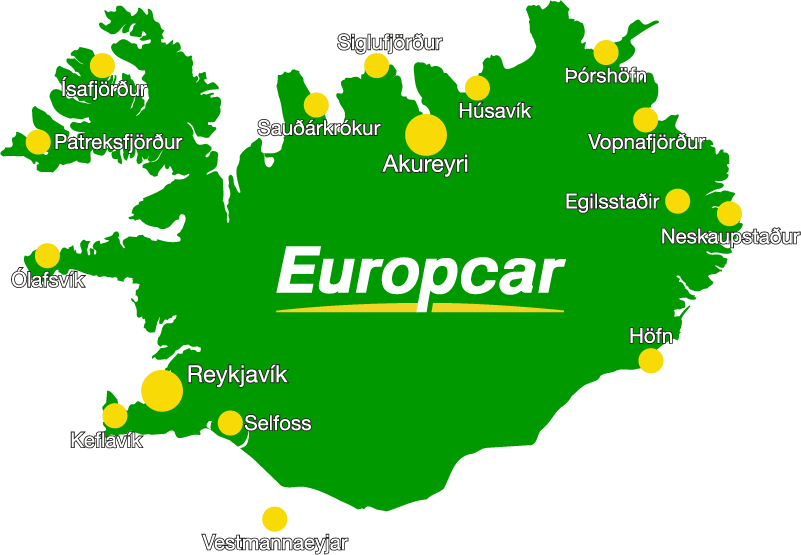
Yes — it's the most convenient option and Höldur has a desk right in the arrivals hall, just after customs, with the car park directly outside the terminal.
Planning Your June Drive: Start Here
Iceland in June rewards the drivers who show up prepared. Know which roads fit your vehicle. Check conditions before every day on the road. Give the sheep their space. And let the midnight sun do its thing — it genuinely doesn't get old.
When you're ready to book, choosing a reliable rental partner makes a real difference. Höldur Car Rental offers a range of vehicles suited to every June itinerary, from compact 2WDs for Ring Road touring to capable 4x4s for highland exploration, with pickup directly at Keflavík Airport and in Reykjavík.
Your Iceland road trip starts with the right car. Browse available vehicles and lock in your rental before the summer slots fill up.